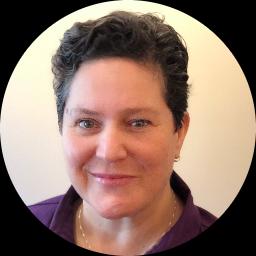
Therapist profile
Suzanne Caldwell, LCSW
Florida
LCSW in Florida - relationships and anxiety
Continue with SuzanneWhere Suzanne stands
- Credentials
- LCSW
- License
- LCSW, Florida / SW19987
- NPI
- 1922747211
- Experience
- 8 years
- Languages
- English
- Location
- Florida
About
- ACT
- CBT
- Client-centered
About Suzanne
Suzanne Caldwell is a Licensed Clinical Social Worker (LCSW) practicing in Florida with eight years of clinical experience. She works with people facing stress, anxiety, relationship difficulties, trauma and abuse, grief, and depression. Suzanne also addresses addictions, LGBT concerns, intimacy-related issues, and codependency among other challenges.
She uses practical talk rather than jargon. Sessions focus on what is happening now, how it affects daily life, and small steps that can make a difference. Suzanne draws on approaches such as Acceptance and Commitment Therapy, Cognitive Behavioral Therapy, and Client-Centered Therapy to help clients clarify values, notice unhelpful thoughts, and practice new behaviors.
Her style centers on straightforward conversations about goals and obstacles. She helps people work through issues like attachment and abandonment, setting boundaries, and managing caregiver strain. Suzanne also supports people dealing with body image, chronic illness, or complicated grief after loss.
When working on relationship concerns she focuses on communication, commitment questions, and patterns that keep people stuck. For concerns around mood and attention she blends techniques that target thinking, emotion, and present-moment awareness. The work is collaborative and paced to what each person can manage.
To begin, she asks people to complete a short matching questionnaire and schedule a first session. Fees vary by location and sessions use a subscription that can be canceled at any time.
How sessions work
Therapeutic approaches and how they fit online
Acceptance and Commitment Therapy (ACT) helps people notice painful thoughts and feelings without getting driven by them, then choose actions that reflect what matters most. It can be useful for anxiety, codependency patterns, and stress that keeps someone stuck. Cognitive Behavioral Therapy (CBT) focuses on identifying and testing unhelpful thoughts and building concrete skills to change behavior. It is often used for anxiety, depression, and patterns that affect relationships. Client-Centered Therapy places the person's perspective at the center and supports exploration of feelings and choices in a nonjudgmental way.Finding the right approach is part of the work. The therapist will collaborate with each person to pick methods that match their goals, concerns, and preferences. That might mean leaning more on ACT for values-based action, using CBT for thought and behavior change, or holding sessions in a client-centered way when people need space to process.
Confirm the available session options before booking, as formats are not specified here. Online work can make it easier to fit sessions into a busy life, such as shorter check-ins during a break, avoiding travel time, or choosing a session that does not require being on camera. Licensed professionals can adapt exercises and mindfulness practices to the online context so the work stays practical and focused.
Areas of focus
Areas of expertise
Primary focus
Also works with
Additional focus areas
Therapeutic approaches
Experience
8+ years
Listed in
Florida
Languages
English
Questions
Frequently asked questions
What kinds of concerns does she address?
She works with stress, anxiety, relationship difficulties, trauma and abuse, grief, depression, addictions, and codependency among other areas.
How would you describe her therapeutic style?
She uses plain talk and collaborative planning, combining approaches like ACT, CBT, and client-centered work to focus on practical changes.
How much clinical experience does she have?
She has eight years of practice experience as a clinician working with a range of emotional and relational concerns.
What credentials and location apply to this clinician?
She is a Licensed Clinical Social Worker (LCSW) licensed in Florida.
Which languages are sessions offered in?
Sessions are offered in English.
Can people outside the United States work with her?
International clients are not currently accepted.
How does pricing work for sessions?
Costs vary with location and sessions use a subscription model that can be canceled at any time.
What are the steps to get started?
Select the See online therapy options button, complete a short matching questionnaire, and schedule a first session.
Details come from information the therapist supplied to BetterHelp. A license can be checked with the state board.
Online talk therapy is not emergency care. If you are not safe at home, use the crisis and helpline numbers.