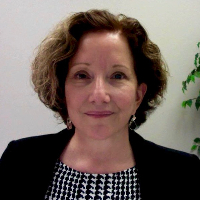
Therapist profile
Susan Frambes, LCSW
New Jersey
Licensed Clinical Social Worker - Trauma and Codependency
Continue with SusanWhere Susan stands
- Credentials
- LCSW
- License
- LCSW, New Jersey / 44SC00302700
- NPI
- 1538742275
- Experience
- 30 years
- Languages
- English
- Location
- New Jersey
About
- CBT techniques
- Mindfulness practice
- Client-centered care
About Susan
Susan Frambes is a Licensed Clinical Social Worker (LCSW) in New Jersey with 30 years of clinical experience. She works with adults who struggle with depression, anxiety, addiction, trauma, relationship and family concerns, and the challenges that come with major life changes. Susan also focuses on codependency, grief, self-esteem, stress, eating and sleep concerns, and compassion fatigue.
Her approach is straightforward and talk-focused. She uses Client-Centered Therapy to listen and build a working relationship. She draws on Cognitive Behavioral Therapy to identify unhelpful thoughts and adjust behaviors. Mindfulness techniques are used to help calm the body and focus attention. Trauma-Focused Therapy guides work with people who have experienced abuse or other traumatic events.
Susan has extensive experience with people affected by domestic violence, stalking, and long-term addictive disorders. She has worked with adults across the lifespan and with people managing disability-related challenges. That background shapes how she manages safety, pacing, and practical problem solving in sessions.
Sessions are organized around the person's goals. Susan emphasizes clear, practical steps alongside talking things through. She communicates regularly with clients and is willing to accommodate scheduling needs when possible. The work often includes skill practice between meetings and checking how those changes feel in daily life.
To begin, people complete a short matching questionnaire and then schedule a first session. Fees vary by location and sessions use a subscription that can be canceled at any time.
How sessions work
How therapeutic approaches translate to online sessions
Client-Centered Therapy focuses on listening and building a collaborative working relationship. In practice this means the therapist reflects what is said, checks understanding, and helps clarify the goals a person brings to sessions. It is useful for people who need a steady, respectful space to talk through difficult feelings.Cognitive Behavioral Therapy (CBT) breaks problems into thoughts, feelings, and behaviors. Sessions typically include noticing unhelpful thinking patterns, testing small behavior changes, and reviewing results. This approach is often used for anxiety, depression, stress, and patterns like people-pleasing that feed codependent behavior.
Susan treats the choice of approach as a collaborative process. She will work with each person to decide which methods fit their goals, needs, and preferences. That discussion can change over time as the work unfolds.
The therapist's biography does not specify which online session formats are offered, so confirm current options before booking. Online work can make scheduling easier, help fit sessions into a workday, and reduce travel time. Some formats also allow shorter check-ins or text-based communication when that better matches a person's routine. Licensed professionals use these options to help clients maintain consistent contact and put learning into practice between meetings.
Areas of focus
Areas of expertise
Primary focus
Also works with
Additional focus areas
Therapeutic approaches
Experience
30+ years
Listed in
New Jersey
Languages
English
Questions
Frequently asked questions
What concerns does she help with?
Susan works with depression, anxiety, trauma, addiction, relationship and family issues, codependency, grief, self-esteem, stress, eating and sleep difficulties, and compassion fatigue.
How would she describe her therapeutic style?
Her style is talk-focused and practical. She blends listening with skill-building from cognitive behavioral and mindfulness approaches.
What experience does she bring?
She has 30 years of clinical experience, including work with people affected by domestic violence, stalking, addictive disorders, and disability-related challenges.
Where is she licensed and based?
Susan is a Licensed Clinical Social Worker (LCSW) in New Jersey and practices with that credential.
Can I work with her if I live outside the United States?
Sessions are offered in English and she is not accepting international clients at this time.
What session formats does she offer?
The original biography does not list specific session formats; please confirm current session options before booking.
How are fees handled?
Fees vary with location and sessions use a subscription that can be canceled at any time.
How do I get started?
Select the See online therapy options button, complete a short matching questionnaire, and schedule a first session.
Details come from information the therapist supplied to BetterHelp. A license can be checked with the state board.
Online talk therapy is not emergency care. If you are not safe at home, use the crisis and helpline numbers.