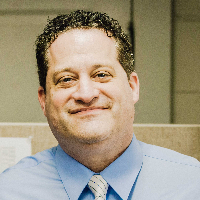
Therapist profile
Shlomo Lawrence, LMFT
Florida
Licensed Marriage and Family Therapist - Relationships and Codependency
Continue with ShlomoWhere Shlomo stands
- Credentials
- LMFT
- License
- LMFT, Florida / MT2918; LMFT, Texas / 204306
- NPI
- 1871878140
- Experience
- 12 years
- Languages
- English
- Location
- Florida
About
- EMDR for trauma
- CBT skills work
- DBT and mindfulness
About Shlomo
Shlomo Lawrence is a Licensed Marriage and Family Therapist (LMFT) licensed in Texas and practicing in Florida with 12 years of experience. He helps people facing stress, anxiety, addiction, relationship and family conflicts, trauma and abuse, grief, intimacy concerns, eating and sleeping problems, parenting strain, anger, low self-esteem, career stress, mood disorders, and codependency-related issues.
Clients can expect direct conversation and practical steps. He listens and helps people name patterns that get in the way. Sessions focus on what people are doing day to day and on small shifts that reduce overwhelm. He uses clear techniques rather than jargon so people can try changes between meetings.
Shlomo draws on several therapeutic approaches. He often uses client-centered techniques to build rapport, cognitive behavioral strategies to change unhelpful thoughts and behaviors, and EMDR for people with trauma histories. He also uses DBT skills and mindfulness practices when emotional regulation and distress tolerance are priorities.
His background includes work in community-based treatment, addiction programs that treated co-occurring disorders, and trauma-focused settings. That mix means he has experience with substance use, complicated trauma, and relationship repair alongside mood and anxiety concerns.
People looking for practice-focused support or help stepping back from people-pleasing patterns will find straightforward, skill-focused sessions. He encourages collaboration on goals and checks in on homework and real-life progress between sessions.
How sessions work
Therapeutic approaches used in online sessions
Shlomo commonly uses Cognitive Behavioral Therapy (CBT) and Eye Movement Desensitization and Reprocessing (EMDR) in his work. CBT focuses on identifying and changing unhelpful thoughts and behaviors and is useful for anxiety, depression, and relationship patterns. EMDR is an approach used with trauma memories to reduce their emotional intensity and can help people who continue to be affected by past events.He also incorporates Client-Centered Therapy ideas, which prioritize listening and building a collaborative working relationship. Deciding which approach to use is a shared process. The therapist and client discuss needs, goals, and preferences and then try methods that fit those aims.
Practical benefits of online sessions include fitting therapy into a busy week and reducing travel time. Online work can make it easier to schedule shorter check-ins during a break, or to meet without needing to leave work or family obligations. Confirm the specific session formats available before booking so you know how appointments are arranged.
Areas of focus
Areas of expertise
Primary focus
Also works with
Additional focus areas
Therapeutic approaches
Experience
12+ years
Listed in
Florida, Texas
Languages
English
Questions
Frequently asked questions
Does he help with people-pleasing and boundary issues?
Yes. He works with relationship patterns including difficulty saying no, people-pleasing, and codependency concerns using practical skills and communication strategies.
What is his therapy style like?
He uses direct, skill-focused sessions that combine listening with concrete tools. Expect clear explanations, step-by-step strategies, and check-ins on real-life practice.
How much clinical experience does he have?
He has 12 years in the mental health field, including work in community treatment, addiction services, and trauma-focused settings.
What are his credentials and where does he practice?
He is an LMFT licensed in Texas and practices in Florida as a Licensed Marriage and Family Therapist.
Which languages are sessions offered in?
Sessions are offered in English.
Does he accept international clients?
No. He does not accept international clients at this time.
How does payment work and what about cost?
Cost varies with location and sessions use a subscription that can be canceled at any time.
How do I begin working with him?
Select the See online therapy options button, complete the short matching questionnaire, and schedule a first session.
Details come from information the therapist supplied to BetterHelp. A license can be checked with the state board.
Online talk therapy is not emergency care. If you are not safe at home, use the crisis and helpline numbers.