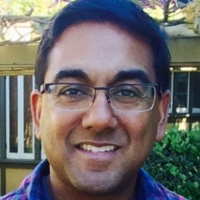
Therapist profile
Rajan Christian, LMFT
California
LMFT - Relationships and Life Transitions
Continue with RajanWhere Rajan stands
- Credentials
- LMFT
- License
- LMFT, California / 82016
- NPI
- 1124235569
- Experience
- 15 years
- Languages
- English
- Location
- California
About
- Codependency concerns
- Trauma-informed methods
- Boundary work
About Rajan
Rajan Christian is a Licensed Marriage and Family Therapist (LMFT) in California with 15 years of clinical experience. He works with adults on relationship and personal problems, including stress, anxiety, depression, addictions, and codependency concerns.
He commonly helps people who are having trouble with intimacy, communication, or setting boundaries. He also addresses issues that come from trauma, grief, parenting strain, and career stress. Sessions tend to focus on what is happening in relationships and how patterns show up in day-to-day life.
Rajan has worked in nonprofit agencies, county behavioral health, school districts, and private settings. That variety means he has experience with short-term crisis work and longer-term outpatient care. He has also spent time working with people on inpatient units and on a crisis response team.
In the therapy room he uses methods drawn from Acceptance and Commitment Therapy, Attachment-Based approaches, Client-Centered work, Cognitive Behavioral Therapy, and Existential therapy. He also has experience with EMDR and trauma resiliency practices for people coping with traumatic memories and dissociation.
His sessions are practical and focused on changes people can try between meetings. He helps clients notice recurring patterns, practice clearer communication, and make choices that match their own priorities. To begin, clients complete a brief matching questionnaire and schedule a first session.
How sessions work
How therapy approaches translate to online work
Acceptance and Commitment Therapy (ACT) focuses on clarifying values and taking small actions consistent with those values. It can help with anxiety, avoidance, and patterns like people-pleasing. Attachment-Based Therapy looks at how early relationship patterns shape current connections and helps people recognize and change those patterns in everyday interactions. Client-Centered Therapy prioritizes the client's perspective and uses reflective listening to help people find their own solutions.Finding the best approach is part of the work. The therapist will collaborate with the client to decide which methods to try first, adjust strategies over time, and check what is helping most. That lets sessions respond to real concerns such as boundary-setting, codependency patterns, or trauma symptoms.
The original biography does not specify session formats, so confirm current online options before booking. Online work can make it easier to fit therapy into a busy schedule, allow shorter check-ins when needed, and let people join from different locations. Therapists and licensed professionals commonly use these practical benefits to help clients maintain momentum between sessions and practice changes in the context of daily life.
Areas of focus
Areas of expertise
Primary focus
Also works with
Additional focus areas
Therapeutic approaches
Experience
15+ years
Listed in
California
Languages
English
Questions
Frequently asked questions
What kinds of problems does he help with?
He works with stress, anxiety, depression, addictions, relationship and intimacy-related issues, codependency, grief, trauma and related concerns.
What is his general therapy style?
He uses practical, conversational methods from ACT, CBT, attachment-based and client-centered approaches to focus on patterns and choices in relationships.
How much clinical experience does he have?
He brings 15 years of experience across nonprofit, county behavioral health, school district, inpatient, and private settings.
What credential does he hold and where is he based?
He is a California Licensed Marriage and Family Therapist (CA LMFT) practicing in California.
Can I work with him if I live outside the U.S.?
Sessions are offered in English and he does accept international clients.
What session formats are available?
The original biography does not list specific session formats; confirm current session options before booking.
How are fees handled?
Costs vary with location and sessions use a subscription model that can be canceled at any time.
How do I start working with him?
Choose the See online therapy options button, complete a short matching questionnaire, and schedule a first session.
Details come from information the therapist supplied to BetterHelp. A license can be checked with the state board.
Online talk therapy is not emergency care. If you are not safe at home, use the crisis and helpline numbers.