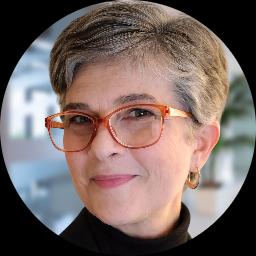
Therapist profile
Penelope "Penny" McBride, LCSW
New York
LCSW - relationships and addiction support
Continue with PenelopeWhere Penelope stands
- Credentials
- LCSW
- License
- LCSW, New York / 077548
- NPI
- 1679720940
- Experience
- 26 years
- Languages
- English
- Location
- New York
About
- Codependency work
- Attachment focus
- CBT and DBT skills
About Penelope
Penelope "Penny" McBride is a Licensed Clinical Social Worker (LCSW) practicing in New York with 26 years of experience. She works with adults who are managing stress, anxiety, addictions, grief, relationship strains, and life changes. Penny also addresses concerns such as self-esteem, trauma and abuse, intimacy-related issues, eating concerns, and caregiver strain.
She uses a client-centered stance that focuses on practical steps people can use right away. Sessions look at patterns that keep someone stuck - like people-pleasing, trouble saying no, or living around another person’s moods or substance use. Penny helps clients notice those patterns and try new ways of responding.
Penny draws on attachment-based ideas to understand relationship patterns and on cognitive behavioral methods to change thoughts and behaviors. She also uses elements of dialectical behavior skills for emotion regulation and the Gottman Method for improving communication in close relationships. Motivational techniques support change around addictions and other hard-to-change behaviors.
Her work often involves clear skill-building: boundary setting, distress tolerance, communication practice, and plans for coping during stressful times. Sessions blend talking with concrete exercises to use between meetings. The focus is on small, achievable steps that fit into everyday life.
Penny practices in New York and carries the LCSW credential. Sessions are conducted in English. If you want to explore working together, follow the site's matching process to schedule a first session and confirm current session options and costs.
How sessions work
How attachment, CBT, and skills work online
Attachment-based work looks at patterns in close relationships and how early experiences shape trust and boundaries. Online sessions can help people name those patterns and try new ways of connecting that reduce anxiety around others.Cognitive Behavioral Therapy (CBT) focuses on identifying unhelpful thoughts and testing small behavioral changes. In an online setting, CBT often uses brief exercises, thought records, and homework that clients complete between sessions to track progress.
Dialectical Behavior Therapy (DBT) skills add concrete tools for managing intense emotions, tolerating distress, and improving communication. These skills can be practiced during sessions and then applied in real situations between meetings.
Finding the right approach is part of the work. The therapist will talk with the client about goals and preferences and adapt methods collaboratively. That discussion guides whether the focus is on relationship patterns, thought-change work, or learning emotion-regulation skills.
Session formats are not specified in the biography, so confirm current options before booking. Online work can make it easier to fit therapy into a busy life - it can reduce travel time, allow shorter check-ins on tough days, or make it simpler to attend from a quieter room. Licensed professionals use these options to help clients practice skills and track progress without promising a particular outcome.
Areas of focus
Areas of expertise
Primary focus
Also works with
Additional focus areas
Therapeutic approaches
Experience
26+ years
Listed in
New York
Languages
English
Questions
Frequently asked questions
What concerns does she address related to codependency?
She works with people who repeatedly put others first, struggle to set boundaries, or live around someone else’s drinking or moods.
How would she describe her therapeutic style?
Her style is client-centered and practical, combining relationship-focused ideas with skills training to change unhelpful patterns.
How much clinical experience does she have?
She has 26 years of experience as a licensed practitioner working with stress, trauma, addictions, mood disorders, and relationship issues.
What are her credentials and where does she practice?
She is a Licensed Clinical Social Worker (LCSW) licensed in New York and practices there.
Does she work in other languages or with international clients?
Sessions are offered in English and she is not accepting international clients.
What session formats does she offer?
Session formats are not specified in the biography; please confirm current session options before booking.
How are fees handled?
Cost varies with location and sessions use a subscription that can be canceled at any time.
How do I begin working with her?
Use the See online therapy options button, complete a short matching questionnaire, and schedule a first session.
Details come from information the therapist supplied to BetterHelp. A license can be checked with the state board.
Online talk therapy is not emergency care. If you are not safe at home, use the crisis and helpline numbers.