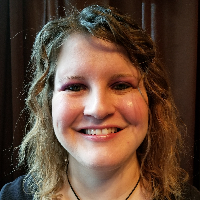
Therapist profile
Miranda Kolde, LCSW
Indiana
LCSW in Indiana - Relationships and Codependency concerns
Continue with MirandaWhere Miranda stands
- Credentials
- LCSW
- License
- LCSW, Indiana / 34008801A
- NPI
- 1477066538
- Experience
- 7 years
- Languages
- English
- Location
- Indiana
About
- Client-centered methods
- DBT and ACT skills
- Domestic violence experience
About Miranda
Miranda Kolde is an LCSW - Licensed Clinical Social Worker practicing in Indiana with seven years of clinical experience. She works with adults who are dealing with stress, anxiety, depression, addictions, trauma and abuse, relationship and intimacy issues, grief, parenting concerns, and problems around communication and boundaries.
She uses a client-centered approach that looks for strengths people already have. Sessions focus on practical steps, safety, and immediate needs. Miranda draws on skills learned in community mental health settings to identify what matters most and make a plan together.
In conversation she highlights surviving and coping strategies people have used so far. That means naming small wins and resources that can be built on. She also addresses things that get in the way of change, such as difficulty saying no, trouble with boundaries, or patterns around caregiving and control.
Miranda works with people affected by domestic violence and has experience meeting both survivors and those who have caused harm. She brings a practical attention to communication and boundary skills in those situations. Sessions include problem solving and safety-focused planning when needed.
Her clinical toolkit includes Acceptance and Commitment Therapy, Cognitive Behavioral Therapy, Dialectical Behavior Therapy, client-centered methods, and hypnotherapy techniques. She aims to move from talking to doing by practicing skills and testing small changes between sessions. If someone prefers, she will adapt pace and focus to what feels manageable.
How sessions work
Approaches used online and how they help
Miranda often uses Acceptance and Commitment Therapy and Cognitive Behavioral Therapy in work with stress, anxiety, and relationship patterns. ACT helps people clarify what matters to them and take small actions toward those values even when feelings are strong. CBT focuses on identifying unhelpful thoughts and testing new behaviors to reduce anxiety and improve mood.She also draws on Dialectical Behavior Therapy skills for emotion regulation and communication. DBT skills teach practical techniques for handling intense feelings, improving relationships, and managing urges related to addictions or self-destructive patterns. Miranda will talk with each person about which approaches to try and will adjust methods based on goals and preferences in a collaborative way.
Confirm current session options before booking because formats were not specified in her biography. Online sessions can make it easier to fit therapy into busy days, allow shorter check-ins when needed, and reduce travel time. Many people find it simpler to schedule around work, childcare, or treatment appointments, and sessions can focus on practicing skills that transfer into daily life.
Areas of focus
Areas of expertise
Primary focus
Also works with
Additional focus areas
Therapeutic approaches
Experience
7+ years
Listed in
Indiana
Languages
English
Questions
Frequently asked questions
Does she help with people-pleasing or people who lose themselves in relationships?
Yes. She lists relationship concerns, communication and boundary issues, and codependency among her focus areas and works on those topics in sessions.
What is her therapeutic style like?
She uses a client-centered, strengths-based approach and focuses on practical solutions. Sessions emphasize identifying immediate needs and building on existing coping skills.
How much experience does she have working with these concerns?
She has seven years of therapy experience, including work in community mental health settings with trauma, addictions, and domestic violence.
What credential does she hold and where is she based?
She is an LCSW - Licensed Clinical Social Worker and practices in Indiana.
Are sessions available in languages other than English?
Sessions are offered in English.
Can people outside the United States work with her?
She accepts international clients.
How does payment work and what does it cost?
Cost varies with location and sessions are billed through a subscription that can be canceled at any time.
How do I begin if I want to meet with her?
Select the See online therapy options button, complete the short matching questionnaire, and schedule a first session.
Details come from information the therapist supplied to BetterHelp. A license can be checked with the state board.
Online talk therapy is not emergency care. If you are not safe at home, use the crisis and helpline numbers.