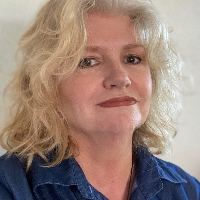
Therapist profile
Karen McGuffey, LMFT
California
Licensed Marriage and Family Therapist - Codependency and Trauma
Continue with KarenWhere Karen stands
- Credentials
- LMFT
- License
- LMFT, California / 86682
- NPI
- 1881730646
- Experience
- 15 years
- Languages
- English
- Location
- California
About
- CBT methods
- DBT skills
- EMDR offered
About Karen
Karen McGuffey is a Licensed Marriage and Family Therapist (LMFT) in California with 15 years of clinical experience. She works with adults who feel stuck, overwhelmed, or pulled into patterns that undermine their wellbeing. Areas she addresses include stress, anxiety, addictions, trauma and abuse, grief, depression, relationship and intimacy-related concerns, and codependency.
Karen draws on straightforward, talk-based therapy. Sessions focus on naming what is happening, noticing repeated patterns, and practicing different ways of responding. She uses approaches such as client-centered therapy, cognitive behavioral techniques, dialectical behavior strategies, existential reflection, and EMDR when appropriate.
In early sessions she helps people clarify what they want to change. That can mean setting healthier boundaries, reducing people-pleasing, managing strong emotions, or coping with loss and life transitions. She also works with issues like sleeping problems, anger, caregiver stress, chronic illness, and the effects of domestic violence.
Her background includes work in community mental health over many years. That experience brings familiarity with a wide range of life stressors and practical coping skills. Karen prefers clear goals and concrete steps a person can try between sessions.
People meet in a calm, respectful atmosphere where the therapist listens and responds without judgment. She can help make sense of recurring patterns, practice new responses, and track small changes over time.
How sessions work
How her approaches translate to online work
Client-centered therapy emphasizes listening and following what matters most to the person. Online sessions let the therapist respond to your concerns and priorities in conversation and plan practical steps together.Cognitive Behavioral Therapy focuses on identifying thoughts and behaviors that keep problems going and practicing small changes. Online work often includes short between-session exercises and concrete skill practice that fit into daily life.
Dialectical Behavior Therapy brings skills for managing intense emotions, improving distress tolerance, and strengthening boundary-setting. In remote sessions this can mean learning and rehearsing grounding techniques and communication strategies you can try between meetings.
Finding the right approach is part of the work. The therapist will discuss your goals, explain these methods in plain terms, and collaborate on what to try first. That choice can change as you learn what helps most.
Confirm which session formats are currently offered before booking. Online sessions can make it easier to fit therapy into a busy schedule, allow shorter check-ins when needed, and remove travel time. They also allow practicing skills in the kinds of situations you actually face, which can help generalize what you learn in sessions to everyday life.
Areas of focus
Areas of expertise
Also works with
Additional focus areas
Therapeutic approaches
Experience
15+ years
Listed in
California
Languages
English
Questions
Frequently asked questions
What concerns does she work with?
She works with stress, anxiety, addictions, trauma and abuse, grief, depression, relationship and intimacy issues, and codependency among other concerns.
What is her therapeutic style?
She uses a client-centered approach alongside Cognitive Behavioral Therapy and Dialectical Behavior Therapy techniques, with occasional use of EMDR and existential reflection.
How much experience does she have?
She has 15 years of experience, including work in community mental health settings.
What are her credentials and where is she based?
She is an LMFT licensed in California and practices from that state.
Does she work in other languages or with international clients?
Sessions are offered in English and she does not accept international clients at this time.
What session formats are available?
Please confirm current session options before booking so you know which formats are offered for appointments.
How are costs handled?
Cost varies by location and sessions use a subscription that can be canceled at any time.
How do I get started?
Select the See online therapy options button, complete the short matching questionnaire, and schedule a first session.
Details come from information the therapist supplied to BetterHelp. A license can be checked with the state board.
Online talk therapy is not emergency care. If you are not safe at home, use the crisis and helpline numbers.