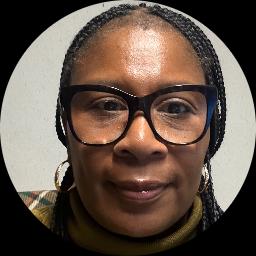
Therapist profile
Dorothy Taylor, LCSW, CSW
North Carolina
LCSW - Relationships and Codependency
Continue with DorothyWhere Dorothy stands
- Credentials
- LCSW, CSW
- License
- LCSW, Colorado / CSW.09928015; LCSW, North Carolina / C016903; LCSW, Virginia / 0904018196
- NPI
- 1821499427
- Experience
- 11 years
- Languages
- English
- Location
- North Carolina
About
- Relationship patterns
- Boundary skills
- Codependency issues
About Dorothy
Dorothy Taylor is a Licensed Clinical Social Worker (LCSW) with 11 years of experience practicing in North Carolina. She helps people manage stress, anxiety, depression, and relationship difficulties. She also works with concerns such as codependency, addictions, trauma and abuse, and coping with life changes.
Dorothy focuses on practical, straightforward work in sessions. She talks through what is happening now and looks at patterns that keep people stuck, like people-pleasing or trouble saying no. She also addresses attachment and abandonment concerns that often underlie repeated relationship problems.
Her background includes years of clinical practice with a range of emotional and life challenges. She draws on evidence-based therapeutic techniques to support people through low mood, anger, career stress, and family-of-origin issues. Her experience includes helping people handle chronic illness, caregiver stress, and complex reactions after trauma.
In session she uses a collaborative, person-centered style. That means she will listen, offer direct feedback, and work with each person to build clearer boundaries, better communication, and stronger self-direction. She helps people name unhelpful patterns and practice different ways of responding.
People who reach out often want help stopping the cycle of putting others first at their expense. Dorothy helps clients identify small, doable changes. She supports practical skill-building around communication, self-worth, and handling relationship pressures.
How sessions work
How evidence-based approaches are used in online sessions
Her work draws on evidence-based therapeutic techniques that focus on what helps people change. One common approach she uses helps people identify unhelpful thoughts and test them against real-world evidence to reduce anxiety and low mood. This method teaches concrete skills for noticing thinking patterns and trying new behaviors.Another approach targets relationship patterns and attachment concerns. It helps people recognize how early relationships shape reactions now and practices new ways of asking for needs and setting boundaries. That work can be useful for codependency, communication problems, and fears around abandonment.
Finding the right approach is part of the work together. She will talk with each person about goals, preferences, and what feels most useful. That conversation guides which techniques and exercises are tried and adjusted over time.
Session formats are not listed in the biography, so confirm current online options before booking. Online work can make it easier to fit sessions into a busy life, allow shorter check-ins when needed, and remove travel time. Therapists and licensed professionals often use the same therapeutic tools online as in clinic sessions to address stress, relationships, and coping with life changes.
Areas of focus
Areas of expertise
Primary focus
Also works with
Additional focus areas
Experience
11+ years
Listed in
Colorado, North Carolina, Virginia
Languages
English
Questions
Frequently asked questions
What concerns does she work with?
She works with stress, anxiety, depression, relationship issues, codependency, addictions, trauma and related concerns listed in her profile.
What is her therapy style like?
Her approach is collaborative and person-centered, focusing on practical steps and identifying patterns that keep someone stuck.
How much clinical experience does she have?
She has 11 years of experience as a clinical social worker working with a range of emotional and relationship challenges.
What are her credentials and where is she based?
She is an LCSW and CSW practicing in North Carolina with licensure noted for NC LCSW and CO LCSW in her profile.
Which languages are supported?
Sessions are offered in English.
Can international clients work with her?
She accepts international clients as stated in her profile.
How are sessions arranged and what do they cost?
Cost varies with location and sessions use a subscription that can be canceled at any time.
How do I start a first session?
Select the See online therapy options button, complete a short matching questionnaire, and schedule a first session.
Details come from information the therapist supplied to BetterHelp. A license can be checked with the state board.
Online talk therapy is not emergency care. If you are not safe at home, use the crisis and helpline numbers.