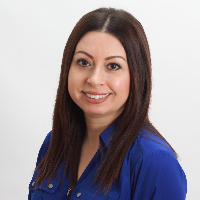
Therapist profile
Virginia Ballantyne, LCSW
California
LCSW - Relationships and Trauma
Continue with VirginiaWhere Virginia stands
- Credentials
- LCSW
- License
- LCSW, California / 98267
- NPI
- 1932509064
- Experience
- 12 years
- Languages
- English
- Location
- California
About
- CBT and DBT methods
- Client-centered style
- Sex positive and LGBTQ affirming
About Virginia
Virginia Ballantyne is a Licensed Clinical Social Worker (LCSW) practicing in California with 12 years of experience. She works with adults on relationship problems, trauma and abuse, anxiety, depression, and issues related to family and addiction. She also supports people facing career changes, grief, parenting strain, and stress related to caregiving or first responder roles.
Virginia approaches therapy from a client-centered, strengths-based perspective. She listens without judgment and helps people notice what already works for them. Sessions focus on practical skills, clearer communication, and making choices that fit a person's values and goals.
Her clinical toolbox includes Cognitive Behavioral Therapy (CBT), Dialectical Behavior Therapy (DBT), Motivational Interviewing, Narrative Therapy, and psychodynamic ideas. She uses these methods to help with patterns like people-pleasing, difficulty setting boundaries, and repeated relationship conflict. Her style mixes active problem-solving with attention to personal history.
Virginia offers a sex-positive environment where questions about sexual identity, intimacy, kink, or alternative sexual cultures can be discussed without judgment. She identifies as an ally to LGBTQ+ people and supports clients navigating gender questions and HIV/AIDS related concerns.
Her background includes many years in nonprofit and county services serving disadvantaged communities. In sessions she helps clients practice new skills, try different perspectives, and manage impulses and cravings when addiction or codependency are involved.
How sessions work
How therapeutic methods translate to online sessions
Client-Centered Therapy focuses on listening and reflecting so the client can find their own answers. It helps with relationship patterns, people-pleasing, and making clearer choices. Cognitive Behavioral Therapy (CBT) looks at thoughts and behaviors together and uses exercises to reduce anxiety, depression, and unhelpful coping habits. DBT offers concrete skills for emotion regulation, distress tolerance, and interpersonal effectiveness when feelings run high.Deciding which approach to use is collaborative. The therapist will talk with the client about goals, try strategies in session, and adjust based on what helps. That means methods can shift over time - for example starting with skills for managing panic, then moving to narrative work about relationship histories.
The original biography indicated sessions by phone, video, and live chat, so confirm the current options before booking. Online sessions can make it easier to fit therapy into a workday, reduce travel time, allow shorter check-ins when needed, or let someone avoid being on camera if they prefer. Therapists and licensed professionals adapt exercises, worksheets, and skill practice to work in remote formats so progress can continue between meetings.
Areas of focus
Areas of expertise
Primary focus
Also works with
Additional focus areas
Therapeutic approaches
Experience
12+ years
Listed in
California
Languages
English
Questions
Frequently asked questions
What kinds of concerns does she address?
She works with relationship problems, trauma and abuse, addiction, anxiety, depression, grief, and stress related to caregiving, parenting, and career changes.
How would she describe her therapeutic approach?
Her approach is client-centered and strengths-based, using practical skills from CBT and DBT along with motivational and narrative techniques.
How much experience does she have?
She has 12 years of clinical experience working in nonprofit and county services as well as private practice in California.
What are her credentials and where is she based?
She is a Licensed Clinical Social Worker (LCSW) licensed in California and practices with clients who reside in that state.
Does she work in other languages or with international clients?
Sessions are offered in English and she is not accepting international clients.
What session formats are offered?
The original biography listed sessions by phone, video, and live chat; confirm the current session options before booking.
How does pricing and payment work?
Cost varies with location; sessions use a subscription model that can be canceled at any time.
How do I begin the process?
Select the See online therapy options button, complete a short matching questionnaire, and schedule your first session.
Details come from information the therapist supplied to BetterHelp. A license can be checked with the state board.
Online talk therapy is not emergency care. If you are not safe at home, use the crisis and helpline numbers.