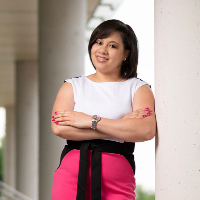
Therapist profile
Shakiya Harrison, LCSW
Virginia
LCSW - Anxiety and Addictions
Continue with ShakiyaWhere Shakiya stands
- Credentials
- LCSW
- License
- LCSW, Virginia / 0904012839
- NPI
- 1891378485
- Experience
- 10 years
- Languages
- English
- Location
- Virginia
About
- CBT
- ACT
- Mindfulness
About Shakiya
Shakiya Harrison is a Licensed Clinical Social Worker (LCSW) in Virginia with 10 years of experience. She works with adults facing stress, anxiety, addictions, depression, bipolar disorder, relationship and family concerns, trauma and abuse, grief, and related challenges including codependency and caregiver stress.
She draws on practical therapy methods to help people manage symptoms and make everyday changes. Sessions focus on skills people can use between meetings, such as changing unhelpful thoughts, noticing patterns, and trying new behaviors. She listens for what matters most to each person and uses that to shape short-term goals.
Her background includes work with people living with serious medical conditions and those facing end-of-life challenges. That experience informs how she supports people dealing with chronic illness, grieving, or the layered stress of caregiving. She has also worked with people who have trauma, PTSD, psychosis, and substance use concerns.
In sessions she blends techniques from cognitive behavioral therapy, acceptance and commitment therapy, client-centered approaches, mindfulness, and motivational interviewing. Those tools are used to reduce overwhelm, build coping skills, and increase clarity about values and priorities. She explains techniques plainly and practices them together with the person in session.
People who want to begin are guided through a short matching questionnaire and help scheduling a first appointment. She offers services in English and accepts international clients but asks people to confirm current session options before booking.
How sessions work
Therapeutic approaches used for remote sessions
Acceptance and Commitment Therapy (ACT) helps people notice what matters and take small steps toward those values while accepting difficult thoughts and feelings. It can be useful for anxiety, depression, and problems tied to avoidance. Cognitive Behavioral Therapy (CBT) focuses on identifying unhelpful thinking and testing new behaviors to reduce symptoms and improve daily functioning. It is often used for anxiety, depression, and stress. Client-Centered Therapy emphasizes listening and working from the person’s own goals, helping clarify priorities and build confidence.Finding the right approach is part of the work. The therapist will collaborate with each person to choose which methods to try based on their needs, goals, and what feels practical. Techniques can be adjusted as therapy progresses so sessions stay relevant to current challenges.
Confirm current session options before booking, since the original biography did not list specific online formats. Online work can make it easier to fit sessions into a busy life, cut travel time, and allow shorter check-ins when schedules are tight. It can also let someone join from a quieter setting or avoid camera use when they prefer. Licensed professionals will discuss which format fits a person’s day-to-day needs when arranging first appointments.
Areas of focus
Areas of expertise
Primary focus
Also works with
Additional focus areas
Therapeutic approaches
Experience
10+ years
Listed in
Virginia
Languages
English
Questions
Frequently asked questions
What concerns does she address?
She works with stress, anxiety, depression, bipolar disorder, addictions, relationship and family issues, trauma, grief, codependency, and related areas listed in her profile.
What is her therapy style like?
She uses clear, practical approaches such as cognitive behavioral therapy, acceptance and commitment therapy, client-centered work, mindfulness, and motivational interviewing.
How much experience does she have?
She has ten years of experience as a social worker and has worked with people facing serious medical conditions, end-of-life issues, trauma, and substance use.
What are her credentials and where is she based?
She is a Licensed Clinical Social Worker (LCSW) licensed in Virginia and practices from that state.
Can I work with her if I live outside the United States?
She accepts international clients. Sessions are offered in English.
What session formats are used?
Please confirm current session options before booking, as formats were not fully specified in the biography.
How does payment work?
Cost varies with location; sessions use a subscription model that can be canceled at any time.
How do I start a first session?
Use the See online therapy options button, complete a short matching questionnaire, and schedule a first session.
Details come from information the therapist supplied to BetterHelp. A license can be checked with the state board.
Online talk therapy is not emergency care. If you are not safe at home, use the crisis and helpline numbers.