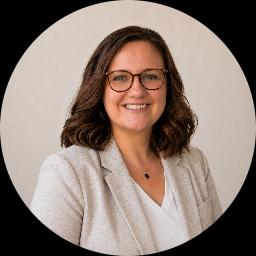
Therapist profile
Murphy Hall, LMSW, LCSW
Indiana
LCSW - LGBTQIA+ affirming, trauma-informed care
Continue with MurphyWhere Murphy stands
- Credentials
- LMSW, LCSW
- License
- LCSW, Indiana / 34009453A; LMSW, Michigan / 6801121938; LCSW, New Jersey / 44SC06661700
- NPI
- 1417516790
- Experience
- 8 years
- Languages
- English
- Location
- Indiana
About
- Emotion regulation skills
- Relationship patterns
- Mindfulness practices
About Murphy
Murphy Hall is a Licensed Master Social Worker (LMSW) and a Licensed Clinical Social Worker (LCSW) with eight years of experience. She practices in Indiana and works with adults facing relationship strain, anxiety, stress, depression, trauma, and questions of gender and sexual identity. Her practice lists codependency among the concerns she addresses, alongside issues like communication problems and coping with life changes.
She is queer identified and offers affirming therapy for LGBTQIA+ people who are exploring sexuality, gender identity, and the effects of minority stress. Murphy frames identity as something to be understood and honored rather than fixed. She also supports people who have experienced abuse or trauma and those managing intense emotions or personality disorder symptoms.
Her clinical work uses a mix of evidence-based methods. She draws on Dialectical Behavior Therapy, Cognitive Behavioral Therapy, Acceptance and Commitment Therapy, Emotionally-Focused Therapy, Motivational Interviewing, and mindfulness techniques. Murphy adapts these tools to a person’s goals, pace, and readiness for change.
In sessions she focuses on practical skills for emotion regulation, clearer communication, and boundary-setting. She aims to help people notice patterns that keep them stuck and practice different choices in relationships and daily life. Expect straightforward talk, skills practice, and attention to how identity and past harm shape current reactions.
Murphy maintains a progressive stance and emphasizes a collaborative relationship. To begin, people are asked to complete a short matching questionnaire and schedule a first session through the site’s online options.
How sessions work
How Murphy uses ACT, CBT, and DBT online
Murphy often works with Acceptance and Commitment Therapy to help people notice unhelpful thoughts and choose actions that match their values. ACT focuses on what matters to the person and on committing to small, concrete steps toward those values.Cognitive Behavioral Therapy is used to identify thought patterns and test them with real-life experiments. CBT helps break cycles of anxiety, low mood, or negative self-talk by practicing new ways of thinking and behaving.
Dialectical Behavior Therapy supplies specific skills for emotion regulation, distress tolerance, and clearer communication. These skills are useful when someone feels overwhelmed, has trouble with intense emotions, or wants steadier reactions in relationships.
Finding the right approach is a collaborative process. Murphy will talk with each person about goals, try methods that fit those goals, and adjust the plan as needed. Clients and therapist decide together which techniques to try and how fast to move.
Session details and formats are not listed in the biography, so please confirm current online options before booking. Online sessions can make fitting therapy into a busy life easier - for example, shorter check-ins during a work break, practicing skills between meetings, or avoiding travel time. The focus is on practical work that integrates into daily routines rather than on a particular technology.
Areas of focus
Areas of expertise
Primary focus
Also works with
Additional focus areas
Therapeutic approaches
Experience
8+ years
Listed in
Indiana, Michigan, New Jersey
Languages
English
Questions
Frequently asked questions
Which concerns does she address?
She works with adults on anxiety, depression, trauma, relationship problems, and identity questions. Codependency and related issues like control and communication problems are also listed.
What is her general approach in session?
She combines several evidence-based methods and uses practical skills work, talk, and experiments to help change patterns. The exact mix depends on a person’s goals and readiness.
How much experience does she have?
She has eight years of clinical practice experience working with adults on trauma, identity, and emotion regulation.
What are her credentials and where does she practice?
She is an LMSW and an LCSW with practice tied to Indiana. The credentials are MI LMSW and IN LCSW as provided.
Does she offer sessions in other languages?
Sessions are offered in English.
Can international clients work with her?
She does not accept international clients at this time.
What formats are available for sessions?
Session formats are not specified in the biography; please confirm current session options before booking.
How are fees and scheduling handled?
Fees vary by location and sessions use a subscription that can be canceled at any time. To get started, complete the short matching questionnaire and schedule a first session.
Details come from information the therapist supplied to BetterHelp. A license can be checked with the state board.
Online talk therapy is not emergency care. If you are not safe at home, use the crisis and helpline numbers.