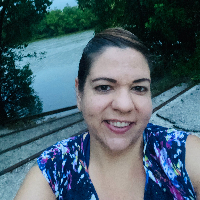
Therapist profile
Michelle Boyles, LCSW
Florida
LCSW - Trauma and Relationship Concerns
Continue with MichelleWhere Michelle stands
- Credentials
- LCSW
- License
- LCSW, Florida / SW10918
- NPI
- 1952643801
- Experience
- 25 years
- Languages
- English
- Location
- Florida
About
- trauma and abuse
- mood and substance issues
- coping skills and insight
About Michelle
Michelle Boyles is a Licensed Clinical Social Worker (LCSW) with 25 years of experience. She practices in Florida and helps people who are dealing with stress, anxiety, addictions, relationship strain, grief, mood disorders, trauma and life changes. She also works with people facing codependency issues and caregiving stress.
Michelle uses straightforward, skills-based work to help clients gain insight and manage difficult feelings. She teaches coping strategies and offers practical education about mood disorders and substance use. Sessions often include clear steps to change patterns that cause repeated problems in relationships and work.
Her background includes a Bachelor of Psychology from Penn State University and a Master of Social Work from Georgia State University. She has provided care in inpatient crisis stabilization, residential programs, and outpatient therapy settings. That range means she understands both short-term crisis care and longer-term therapy needs.
Michelle has worked with many different age groups across settings, including children, teens, adults, and geriatrics, and has experience seeing individuals, couples, and families. Her core areas of experience are trauma and abuse, mood and personality disorders, substance abuse, family conflict, and life transitions.
In sessions she blends client-centered conversations with practical techniques from cognitive behavioral therapy, dialectical behavior therapy, mindfulness, and motivational interviewing. The focus is on helping people recognize patterns, learn new responses, and build skills they can use after sessions end.
If someone wants to address people-pleasing, boundary problems, or difficulty coping when a loved one drinks or cycles through moods, she offers direct help aimed at clearer choices and daily tools.
How sessions work
How her approaches translate to online work
Michelle often draws on client-centered therapy and cognitive behavioral therapy in her work. Client-centered therapy focuses on listening and reflecting so people can understand their own goals and choices. Cognitive behavioral therapy looks at the links between thoughts, feelings, and actions and gives practical exercises to change patterns that cause distress.She also uses dialectical behavior therapy skills for emotion regulation and interpersonal effectiveness when strong emotions or volatile relationships get in the way. DBT techniques include skills for managing intense feelings and communicating more clearly during conflict.
Finding the right approach is part of the process. The therapist will work with the client to identify which methods fit the person's needs, goals, and preferences, and adjust as therapy progresses in a collaborative way.
Confirm the current session options before booking so you know how sessions are arranged. Online work can make it easier to fit sessions into a busy week, reduce travel time, and allow shorter check-ins when schedules are tight. Some people prefer to use online sessions to practice skills between meetings and bring real-life situations to discuss in the next appointment.
Areas of focus
Areas of expertise
Primary focus
Also works with
Additional focus areas
Therapeutic approaches
Experience
25+ years
Listed in
Florida
Languages
English
Questions
Frequently asked questions
What kinds of concerns does she help with?
She works with stress, anxiety, addictions, trauma and abuse, relationship strain, grief, mood disorders and related issues such as codependency and caregiver stress.
What is her therapeutic style?
She combines client-centered conversation with practical methods from CBT, DBT, mindfulness, and motivational interviewing to teach coping skills and change patterns.
How long has she been practicing?
She has 25 years of experience in mental health and substance abuse counseling and has been a master's level therapist since 2001.
What are her credentials and where does she practice?
She is an LCSW licensed in Florida and practices with that credential in Florida.
Does she offer sessions in other languages or to international clients?
Sessions are offered in English and she is not currently accepting international clients.
What session formats are available?
Please confirm current session options before booking so you know which formats are offered for meetings.
How does payment work?
Cost varies by location; sessions use a subscription that can be canceled at any time.
How do I begin working with her?
Select the See online therapy options button, complete the short matching questionnaire, and schedule a first session.
Details come from information the therapist supplied to BetterHelp. A license can be checked with the state board.
Online talk therapy is not emergency care. If you are not safe at home, use the crisis and helpline numbers.