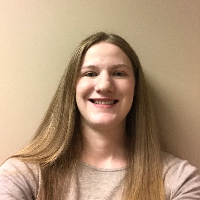
Therapist profile
Lindsay DeMarlie, LCSW, LISW
Iowa
Licensed social worker - codependency and trauma
Continue with LindsayWhere Lindsay stands
- Credentials
- LCSW, LISW
- License
- LCSW, Illinois / 149018275; LISW, Iowa / 008227
- NPI
- 1073024600
- Experience
- 10 years
- Languages
- English
- Location
- Iowa
About
- Codependency patterns
- Trauma response
- Skills and coping
About Lindsay
Lindsay DeMarlie is a Licensed Clinical Social Worker (LCSW) in Illinois and a Licensed Independent Social Worker (LISW) in Iowa with 10 years of clinical experience. She works with adults facing stress, anxiety, depression, addiction concerns, relationship struggles, trauma and abuse, grief around parenting, and codependency-related patterns. Lindsay also addresses issues like ADHD, bipolar mood concerns, and body image struggles.
Her style is straightforward and client-centered. She and the person in front of her set goals together and focus on practical steps. Sessions often include work on thoughts, behaviors, and skills that reduce distress and improve day-to-day functioning.
Lindsay has a background supporting people impacted by childhood and adult trauma, including physical, sexual, or emotional abuse and domestic violence. She draws on approaches such as cognitive behavioral strategies and dialectical behavior tools to help manage intense emotions and reduce unhelpful thinking patterns.
Mindfulness and Acceptance and Commitment approaches also appear in her work, helping people notice difficult feelings without getting carried away by them. Solution-focused elements are used to build quick, concrete changes when that fits a client’s goals.
In sessions she helps people practice boundary setting, cope with others' moods and crises without losing themselves, and manage urges connected to substance use or compulsive behaviors. People can expect clear explanations of techniques, repeated practice in session, and plans to try between meetings.
How sessions work
How therapeutic approaches are used in online sessions
Acceptance and Commitment Therapy (ACT) helps people notice painful thoughts and feelings without getting driven by them. It focuses on identifying personal values and taking small actions that align with what matters most. Cognitive Behavioral Therapy (CBT) targets unhelpful thought patterns and teaches concrete skills to change behaviors and reduce anxiety or low mood. Dialectical Behavior Therapy (DBT) offers skills for tolerating distress and regulating intense emotions, and it is useful when emotions feel overwhelming.Finding the best fit is a collaborative process. The therapist and client review problems, goals, and preferences together and try approaches that match those aims. Over a few sessions they adjust methods based on what helps in practice rather than relying on a single technique from the start.
The original biography does not list specific session formats, so confirm current online options before booking. In general, online sessions can make it easier to fit counseling into a workday, avoid travel time, and schedule shorter check-ins or longer therapy depending on needs. They also allow practicing skills in the settings where difficulties happen, which can make technique practice more practical and immediate.
Areas of focus
Areas of expertise
Also works with
Additional focus areas
Therapeutic approaches
Experience
10+ years
Listed in
Illinois, Iowa
Languages
English
Questions
Frequently asked questions
Does she help with people-pleasing and boundary issues?
Yes. Lindsay works with people to notice when they put others first and to practice setting clearer boundaries.
What therapeutic style does she use in sessions?
She uses client-centered methods alongside CBT, DBT, ACT, mindfulness, and solution-focused techniques to teach skills and change habits.
How much experience does she have with trauma and related concerns?
She has 10 years of experience and has worked with both childhood and adult trauma, including domestic violence and sexual assault.
What are her credentials and where is she based?
She is an LCSW in Illinois and an LISW in Iowa and practices from Iowa as listed in her profile.
Can I work with her if I live outside the United States?
Sessions are offered to international clients as indicated in her profile; language supported is English.
What session formats are used?
The original biography does not list specific session formats. Please confirm current session options before booking.
How does payment work and what does it cost?
Cost varies with location and sessions use a subscription that can be canceled at any time.
How do I begin a first session?
Select the See online therapy options button, complete a short matching questionnaire, and schedule a first session.
Details come from information the therapist supplied to BetterHelp. A license can be checked with the state board.
Online talk therapy is not emergency care. If you are not safe at home, use the crisis and helpline numbers.