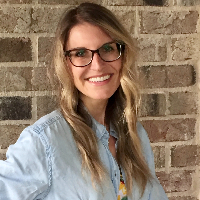
Therapist profile
Kelly Conlon, LPC
Georgia
Licensed Professional Counselor - Relationships and Codependency
Continue with KellyWhere Kelly stands
- Credentials
- LPC
- License
- LPC, Georgia / LPC011564
- NPI
- 1124597711
- Experience
- 8 years
- Languages
- English
- Location
- Georgia
About
- ACT and CBT
- Attachment focus
- Eating concerns
About Kelly
Kelly Conlon is a Licensed Professional Counselor (LPC) in Georgia with eight years of experience. She works with adults facing stress, anxiety, relationship struggles, eating and body-image concerns, grief, trauma, and codependency-related patterns. Kelly also supports people dealing with addictions, mood disorders, ADHD, and life transitions.
She trained in Childhood and Family Development at the University of Georgia and completed a master’s degree in Clinical Psychology with an emphasis in Marriage and Family Therapy at Pepperdine University. Her clinical background includes work in mental health hospitals, residential and outpatient eating disorder programs, substance abuse treatment centers, and private practice settings.
In sessions she keeps things practical and person-focused. Kelly draws on approaches such as Acceptance and Commitment Therapy, Cognitive Behavioral Therapy, Dialectical Behavior Therapy, Attachment-Based Therapy, and a client-centered style. Expect clear skills practice, discussion about relationships and boundaries, and attention to how values and behavior intersect.
She often helps people who have trouble saying no, who put others first, or who feel lost inside relationships. Common topics include communication problems, codependency patterns, family of origin issues, intimacy concerns, and managing emotions like anger or emptiness.
Outside of work she enjoys hiking, cooking, travel, reading, and time with family and pets. Her manner mixes straightforward guidance with occasional humor to make practical changes feel more doable.
How sessions work
How therapeutic approaches translate to online work
Acceptance and Commitment Therapy (ACT) helps people clarify what matters to them and take small, values-driven steps. It focuses on noticing thoughts and making choices that match personal values, which can help with codependency, anxiety, and life transitions.Cognitive Behavioral Therapy (CBT) looks at links between thoughts, feelings, and actions. It teaches concrete skills to change unhelpful thinking and behaviors, useful for anxiety, depression, eating issues, and coping strategies.
Attachment-Based Therapy examines early relationship patterns and how they affect current connections. It can help people understand why they struggle with boundaries, intimacy, and communication in close relationships.
Choosing an approach is a collaborative process. The therapist will work with the client to decide which methods fit their goals and preferences. Adjustments are made as progress and needs become clearer.
The original biography does not list specific session formats, so confirm available options before booking. Online work can make it easier to fit sessions into a busy life - for example, keeping appointments on a lunch break, avoiding travel time, or using shorter check-ins when days are hectic. It also lets clients practice skills in real-life settings and bring current relationship issues into conversation without needing extra travel.
Areas of focus
Areas of expertise
Primary focus
Also works with
Additional focus areas
Therapeutic approaches
Experience
8+ years
Listed in
Georgia
Languages
English
Questions
Frequently asked questions
What kinds of concerns does she help with?
She works with stress, anxiety, depression, relationship problems, eating and body-image issues, grief, trauma, codependency patterns, and related challenges.
How would you describe her therapeutic style?
She uses a client-centered approach and combines practical skills from ACT, CBT, and DBT with attention to attachment and relationship patterns.
How much experience does she have?
Kelly has eight years of experience working across hospitals, eating disorder programs, substance abuse centers, and private practice settings.
What are her credentials and where is she located?
She is a Licensed Professional Counselor (LPC) licensed in Georgia.
Does she offer sessions in other languages or to international clients?
Sessions are offered in English and she is not accepting international clients.
What session formats are available?
The original biography does not specify session formats; please confirm current session options before booking.
How are sessions paid for and what does it cost?
Cost varies with location; sessions use a subscription that can be canceled at any time.
How do I get started if I want to work with her?
Select the See online therapy options button, complete a short matching questionnaire, and schedule a first session.
Details come from information the therapist supplied to BetterHelp. A license can be checked with the state board.
Online talk therapy is not emergency care. If you are not safe at home, use the crisis and helpline numbers.