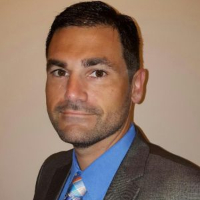
Therapist profile
Jason Vandewater, LCSW
North Carolina
Licensed Clinical Social Worker - Recovery and goals
Continue with JasonWhere Jason stands
- Credentials
- LCSW
- License
- LCSW, New York / 079967; LCSW, Florida / SW18180; LCSW, North Carolina / C014208
- NPI
- 1912351883
- Experience
- 20 years
- Languages
- English
- Location
- North Carolina
About
- Goal focused
- Harm reduction
- CBT and DBT
About Jason
Jason Vandewater is a Licensed Clinical Social Worker (LCSW) with 20 years of experience in mental health care in North Carolina. He focuses on person-centered work and harm reduction to help people move forward in recovery. Jason helps clients set concrete goals and take practical steps toward those goals.
He uses client-centered methods to listen and shape goals around what matters most to each person. He combines that with cognitive behavioral ideas to pin down unhelpful thoughts and try different actions. Dialectical behavior therapy skills are also part of his toolkit for managing intense emotions and improving coping.
Sessions are often organized around clear, achievable action steps. Jason offers coaching-style guidance for work and life transitions, and he builds plans that break larger goals into doable pieces. This approach is aimed at increasing perseverance, flexibility, and self-worth.
Jason works with a wide range of concerns including stress, anxiety, addiction, depression, relationship and intimacy-related issues, ADHD, trauma and abuse, anger, bipolar disorders, and codependency. He also addresses topics like body image, caregiver stress, chronic illness, and emptiness when these affect a person’s daily functioning.
He frames therapy as practical problem-solving and collaborative planning. People can expect focused interventions and direct support for the goals they bring to sessions.
How sessions work
How therapeutic approaches shape online sessions
Client-centered therapy focuses on listening and helping people define their own goals. In sessions the therapist reflects concerns and priorities, then works with the client to create realistic next steps. This approach is useful when someone needs a supportive, goal-driven guide rather than a fixed plan.Cognitive Behavioral Therapy, or CBT, looks at the link between thoughts, feelings, and actions. It helps identify patterns that get in the way and tests small, practical changes to see what makes life easier. CBT is often used for anxiety, depression, stress, and some relationship or work challenges.
Dialectical Behavior Therapy, DBT, brings skills for handling strong emotions and improving interpersonal effectiveness. It teaches short, usable techniques to manage intense moments and reduce impulsive reactions.
Choosing the right approach is part of the work. The therapist will collaborate with the client to decide which methods match their needs, goals, and preferences. That decision can change over time as goals shift and progress is made.
Confirm current session options before booking so you know how sessions are scheduled. Online sessions can make it easier to fit therapy into a busy life, allow shorter check-ins when needed, and reduce travel time. Discussing how sessions will work is part of the first appointment so practical arrangements match daily routines and goals.
Areas of focus
Areas of expertise
Primary focus
Also works with
Additional focus areas
Therapeutic approaches
Experience
20+ years
Listed in
New York, Florida, North Carolina
Languages
English
Questions
Frequently asked questions
What kinds of concerns does he address
He works with stress, anxiety, addictions, depression, relationship and intimacy-related issues, trauma and abuse, bipolar concerns, ADHD, and codependency among other topics.
How would he describe his therapeutic style
He uses person-centered methods and harm reduction. Sessions focus on clear goals and practical action steps.
How much experience does he have
He has 20 years of experience as a mental health professional working with a range of issues.
What are his credentials and where is he located
He is an LCSW licensed in North Carolina and also holds an FL LCSW credential; his practice is based in North Carolina.
Can I work with him if I live outside the United States
Sessions are offered to international clients and are conducted in English.
What session formats are available
Please confirm current session options before booking so you know which formats are offered for scheduling.
How are fees handled
Cost varies with location and sessions use a subscription that can be canceled at any time.
How do I begin working with him
Select the See online therapy options button, complete a short matching questionnaire, and schedule your first session.
Details come from information the therapist supplied to BetterHelp. A license can be checked with the state board.
Online talk therapy is not emergency care. If you are not safe at home, use the crisis and helpline numbers.