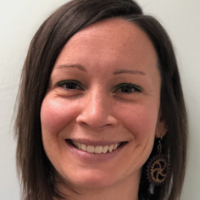
Therapist profile
Hannah Phillips Hale, LPC
Virginia
Licensed Professional Counselor - Relationships and Mood
Continue with HannahWhere Hannah stands
- Credentials
- LPC
- License
- LPC, Virginia / 0701008266
- NPI
- 1184289308
- Experience
- 7 years
- Languages
- English
- Location
- Virginia
About
- Codependency concerns
- Art-informed methods
- CBT and ACT techniques
About Hannah
Hannah Phillips Hale is a Licensed Professional Counselor (LPC) in Virginia with seven years of licensure and over 16 years of work in the mental health field. She works with adults on stress, anxiety, depression, trauma and abuse, relationship concerns, addiction, bipolar disorder, grief, intimacy issues, parenting pressures, and codependency among other challenges.
Hannah keeps the sessions straightforward and practical. She treats therapy as a partnership where client and counselor figure out what is and isn't working. Early steps are often small and attainable goals that build confidence and momentum.
She brings creative methods into her work, using art-based exercises to prompt reflection and new ways of expressing difficult feelings. Clients do not need art experience to use these techniques; the goal is exploration rather than artistic skill.
Hannah uses a mix of evidence-informed approaches, including cognitive behavioral techniques, acceptance and commitment ideas, attachment-focused work, and dialectical behavior strategies. She pays attention to how relationships shape feelings and behavior, and she helps people notice patterns that keep them stuck.
Her background includes work across many settings such as schools, community programs, in-home care, and outpatient clinics. That variety informs a pragmatic style aimed at daily life - better communication, clearer boundaries, and more consistent coping skills. To begin, visitors are asked to follow the site process to match and schedule a first session.
How sessions work
How her approaches translate to online work
Acceptance and Commitment Therapy (ACT) focuses on noticing difficult thoughts and feelings and acting in line with personal values. It can help when anxiety, depression, or people-pleasing get in the way of meaningful steps. Attachment-Based Therapy looks at how early relationships affect current bonds and communication. It is useful for intimacy problems, codependency patterns, and recurring relationship conflicts. Client-Centered Therapy emphasizes listening and supporting the client’s own pace and decisions, which helps when someone needs space to name goals and try small changes.Choosing which approach to use is a collaborative process. The therapist will talk with the client about goals, preferences, and what feels most useful, then try methods and adjust as needed. That collaborative testing helps people know what works for their situation rather than assuming one single method is best.
The therapist's biography does not list specific session formats, so confirm the current online options before booking. In general, online sessions can save travel time, make it easier to fit therapy into a workday, and allow for shorter check-ins or phone conversations when video isn't practical. These practical benefits can help therapy fit into everyday life while the clinician and client focus on clear, manageable steps for setting boundaries, improving communication, and reducing codependency patterns.
Areas of focus
Areas of expertise
Primary focus
Also works with
Additional focus areas
Therapeutic approaches
Experience
7+ years
Listed in
Virginia
Languages
English
Questions
Frequently asked questions
What kinds of problems does she work with?
She works with stress, anxiety, depression, trauma, relationship issues, addiction concerns, bipolar disorder, grief, parenting stress, codependency, and related topics.
What is her therapy style like?
She describes therapy as a partnership and uses a straightforward, present-focused approach that sets small achievable goals first.
How much clinical experience does she have?
She has seven years as an LPC and over 16 years total working in the mental health field across settings like schools, in-home care, and outpatient clinics.
What are her credentials and where is she based?
She is a Licensed Professional Counselor (LPC) licensed in Virginia and practices from that state.
Does she offer sessions in other languages?
Sessions are offered in English.
What session formats does she provide?
The biography does not specify session formats; please confirm current session options before booking.
How are fees handled?
Cost varies with location and sessions use a subscription that can be canceled at any time.
How do I get started with her?
Select the See online therapy options button, complete the short matching questionnaire, and schedule your first session through the site.
Details come from information the therapist supplied to BetterHelp. A license can be checked with the state board.
Online talk therapy is not emergency care. If you are not safe at home, use the crisis and helpline numbers.