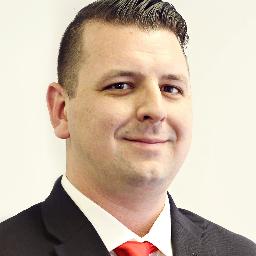
Therapist profile
George Brassea, LCPC
Illinois
IL LCPC - Relationships and Codependency
Continue with GeorgeWhere George stands
- Credentials
- LCPC
- License
- LCPC, Illinois / 180011327
- NPI
- 1528420213
- Experience
- 9 years
- Languages
- English
- Location
- Illinois
About
- Attachment work
- CBT techniques
- Existential questions
About George
George Brassea is an IL LCPC with nine years of clinical experience. He works with adults on stress, anxiety, depression, relationship concerns, addiction, grief, self-esteem, and other issues including codependency and attachment difficulties.
He focuses on how personal history and family roots shape present behavior. Sessions often include questions about daily routines, sleep, relationships, and recurring patterns that keep people stuck. George uses conversational feedback rather than lecture-style instruction.
He often brings in ideas from attachment-based work to look at how early bonds influence current needs. Cognitive behavioral ideas are used to notice unhelpful thinking and try small experiments that change day-to-day behavior. Client-centered elements guide a respectful, person-focused discussion of what matters most right now.
George also references existential and Jungian perspectives when people want to look at meaning, life transitions, or deeper symbolic themes. These approaches are used to help people make sense of emptiness, commitment questions, and issues around identity and desire.
His background includes an MBA alongside clinical training, which he says helps him translate practical life demands into therapy goals. People who come to him often want direct conversation about boundaries, control, intimacy, and reclaiming a clearer sense of self. To start, he asks straightforward questions and works with each person to set sensible next steps.
How sessions work
How his approaches translate to online work
George brings attachment-based ideas to online work by looking at patterns in relationships and how early bonds show up now. This helps when clients want to understand people-pleasing, boundary problems, or codependency-related patterns. Client-centered work means sessions focus on a person’s immediate concerns through open conversation and reflective listening, which can be done in a straightforward online session.Cognitive behavioral techniques are used to notice thoughts and try simple behavioral experiments between meetings. That can include testing small changes in communication, sleep, or daily routines and then reviewing what happened in the next session. Existential or Jungian reflections are offered when people want to discuss life meaning, identity, or symbolic themes, and these topics can fit into an online talk format as well.
Finding the right mix of approaches is part of the work. He will collaborate with clients to identify what helps most based on their goals, needs, and preferences. That decision is revisited as therapy progresses so methods change if needed.
Session formats are not listed in the biography, so confirm current online options before booking. Online work can make scheduling easier, reduce travel, and let sessions fit around work or caregiving demands. Some clients use online meetings for shorter check-ins, while others prefer longer conversation-focused sessions depending on what fits their life.
Areas of focus
Areas of expertise
Primary focus
Also works with
Additional focus areas
Therapeutic approaches
Experience
9+ years
Listed in
Illinois
Languages
English
Questions
Frequently asked questions
What kinds of concerns does he work with?
He works with stress, anxiety, depression, relationship issues, addictions, grief, self-esteem, codependency, attachment concerns, intimacy-related issues, and related topics.
What is his therapeutic style like?
He combines client-centered conversation with attachment-based listening and cognitive behavioral techniques, offering direct feedback and practical steps.
How much clinical experience does he have?
He has nine years of clinical experience working with adults on a range of behavioral and relational concerns.
What are his credentials and where is he based?
He is an IL LCPC and practices in Illinois.
Does he offer sessions in other languages or to international clients?
Sessions are offered in English and he is not currently accepting international clients.
What session formats are available?
Please confirm current session formats before booking, as session delivery options are not specified here.
How are fees handled?
Cost varies with location and sessions use a subscription that can be canceled at any time.
How do I begin working with him?
Select the See online therapy options button, complete the short matching questionnaire, and schedule a first session.
Details come from information the therapist supplied to BetterHelp. A license can be checked with the state board.
Online talk therapy is not emergency care. If you are not safe at home, use the crisis and helpline numbers.