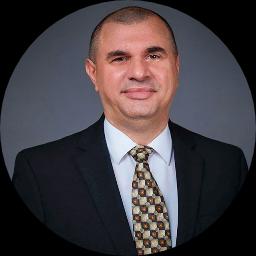
Therapist profile
Eric Troy, LMHC
Florida
Licensed Mental Health Counselor - Stress and Relationships
Continue with EricWhere Eric stands
- Credentials
- LMHC
- License
- LMHC, Florida / MH11564
- NPI
- 1770836074
- Experience
- 15 years
- Languages
- English, Romanian
- Location
- Florida
About
- CBT techniques
- DBT skills
- Narrative work
About Eric
Eric Troy is a Licensed Mental Health Counselor (LMHC) in Florida with 15 years of clinical experience. He works with adults facing stress, anxiety, depression, relationship struggles, addiction concerns, grief, parenting strain, and issues related to identity and intimacy. He also lists codependency among his focus areas and speaks English and Romanian.
He trained with a master’s degree in Psychology specializing in Mental Health Counseling and later completed a doctoral degree in Industrial and Organizational Psychology. He completed internship hours and obtained his Florida LMHC license and has worked in South Florida settings with culturally diverse clients.
In sessions he uses clear, conversational methods. He draws on client-centered work to follow what matters most to the person in the room. He also uses cognitive-behavioral techniques to identify unhelpful thought patterns and DBT skills to teach emotion regulation and distress tolerance.
He uses narrative and solution-focused approaches to help people make sense of difficult experiences and set practical goals. Sessions tend to be straightforward - tracking problems, practicing specific skills, and testing what changes feel sustainable. He frames the client as the expert on their life and supports them in trying different strategies.
People who keep putting others first, struggle to set boundaries, or feel defined by a relationship may find his work relevant. He asks new clients to complete a short matching questionnaire and to schedule a first session after selecting online therapy options. Costs vary by location and use a subscription that can be canceled at any time.
How sessions work
How his approaches work in online sessions
Client-centered therapy focuses on understanding what matters to the person in their own words and prioritizes the client’s perspective in each session. This approach helps when someone needs to be heard and wants to clarify values and priorities quickly.Cognitive-behavioral therapy (CBT) looks at thoughts and behaviors that keep problems going and uses practical exercises to change them. It is useful for anxiety, depression, stress, and habits that reinforce people-pleasing or avoidance.
Dialectical behavior therapy (DBT) emphasizes skill building for emotion regulation, distress tolerance, and clearer boundaries. It can help with intense reactions, trouble saying no, and managing urges related to addictive patterns.
Finding the right approach is part of the work. He will discuss options and help decide which methods to try based on goals and what feels workable. Clients often mix techniques from different approaches to address both immediate problems and longer-standing patterns.
Confirm current session formats before booking. Once confirmed, online sessions can make it easier to fit therapy into a busy day, allow shorter check-ins when needed, and avoid travel time. Ask about language options and any practical details when you complete the matching questionnaire.
Areas of focus
Areas of expertise
Primary focus
Also works with
Additional focus areas
Therapeutic approaches
Experience
15+ years
Listed in
Florida
Languages
English, Romanian
Questions
Frequently asked questions
What concerns does he address?
He works with stress, anxiety, depression, relationship and intimacy issues, addictions, grief, parenting strain, and codependency among other areas.
How would you describe his therapeutic style?
He combines client-centered listening with cognitive-behavioral and DBT tools, plus narrative and solution-focused techniques to set practical goals.
How much clinical experience does he have?
He has 15 years of professional experience working in mental health settings.
What are his credentials and where does he practice?
He is an LMHC licensed in Florida and practices with that credential in Florida.
Which languages are supported in sessions?
Sessions are offered in English and Romanian.
Can people outside the United States work with him?
He does not accept international clients at this time.
How are session fees handled?
Cost varies with location and sessions use a subscription model that can be canceled at any time.
How do I begin working with him?
Select the See online therapy options button, complete a short matching questionnaire, and then schedule a first session.
Details come from information the therapist supplied to BetterHelp. A license can be checked with the state board.
Online talk therapy is not emergency care. If you are not safe at home, use the crisis and helpline numbers.