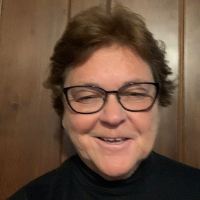
Therapist profile
Donna Smith, LMHC
New York
LMHC in New York - Relationships and Codependency
Continue with DonnaWhere Donna stands
- Credentials
- LMHC
- License
- LMHC, New York / 001003
- NPI
- 1538374947
- Experience
- 35 years
- Languages
- English
- Location
- New York
About
- Acceptance and Commitment Therapy
- Cognitive Behavioral Therapy
- Client-centered approach
About Donna
Donna Smith is a Licensed Mental Health Counselor (LMHC) based in New York with 35 years of clinical experience. She works with adults facing stress, anxiety, depression, relationship struggles, grief, addiction concerns, trauma and abuse, and codependency. Donna also supports people dealing with issues like parenting strain, intimacy problems, and burnout from caregiving or compassion fatigue.
Her style is straightforward and person-focused. Sessions tend to be conversational and practical. She listens, helps people name patterns, and suggests skills to try between meetings. Creative writing is one of her personal interests and she sometimes brings writing prompts into sessions as a tool for reflection.
Donna draws on several evidence-informed approaches. She uses Acceptance and Commitment Therapy to clarify values and move toward meaningful action. Cognitive Behavioral Therapy helps people challenge unhelpful thoughts and change behaviors. Client-centered techniques keep the conversation grounded in the person’s own goals and pacing.
Clients can expect a collaborative relationship. She frames her role as a partner or guide rather than an authority. That means setting goals together, checking what works, and adjusting when needed. Donna emphasizes clear, practical steps alongside space to talk through emotions.
Her background includes graduate training at the University of Rochester and decades working across mental health settings. She practices in New York and conducts sessions in English. Costs vary by location and sessions use a subscription that can be canceled at any time.
How sessions work
How therapeutic approaches translate to online sessions
Acceptance and Commitment Therapy (ACT) invites people to name what matters to them and take small committed steps toward those values. Online ACT sessions often focus on noticing unhelpful thinking, clarifying priorities, and practicing new behaviors between meetings. Cognitive Behavioral Therapy (CBT) breaks down problems into thoughts, feelings, and actions. In remote CBT work, a therapist and client identify patterns, try experiments, and use simple worksheets or exercises to track change. Client-Centered Therapy emphasizes listening and the person’s own goals; it provides space for someone to tell their story and to choose the pace and focus of sessions.Finding the right approach usually takes a few conversations. The therapist will work collaboratively to figure out which methods fit a person’s needs, goals, and preferences. That means checking in about what helps, adjusting tools, and blending approaches when it makes sense.
Session formats are not specified in the supplied biography, so confirm current options before booking. Many people find online meetings help fit therapy into a busy life - they can be shorter or scheduled between work tasks, require no travel time, and make it easier to keep regular check-ins. If someone prefers less time on camera, practical alternatives can be discussed when arranging sessions.
Areas of focus
Areas of expertise
Primary focus
Also works with
Additional focus areas
Therapeutic approaches
Experience
35+ years
Listed in
New York
Languages
English
Questions
Frequently asked questions
What kinds of concerns does she help with?
She works with adults on stress, anxiety, depression, grief, addictions, trauma, relationship strain, codependency, and related issues such as parenting and intimacy problems.
How would you describe her therapeutic style?
Her approach is conversational and practical. She partners with people to name patterns, set goals, and try skills between sessions.
How much experience does she have?
She has 35 years of experience in a range of mental health settings and many years working one-on-one with individuals.
What are her credentials and where does she practice?
She is a Licensed Mental Health Counselor, NY LMHC, and practices in New York.
Which languages are sessions offered in?
Sessions are offered in English.
Does she see international clients?
She does not accept international clients at this time.
How are costs handled?
Cost varies by location and sessions use a subscription model that can be canceled at any time.
What should I do to get started?
Select the See online therapy options button, complete the short matching questionnaire, and schedule a first session.
Details come from information the therapist supplied to BetterHelp. A license can be checked with the state board.
Online talk therapy is not emergency care. If you are not safe at home, use the crisis and helpline numbers.