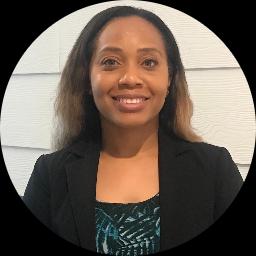
Therapist profile
Bathsheba Cherry, LPC
Georgia
Licensed Professional Counselor - relationships and addiction
Continue with BathshebaWhere Bathsheba stands
- Credentials
- LPC
- License
- LPC, Georgia / LPC010686
- NPI
- 1407107543
- Experience
- 13 years
- Languages
- English
- Location
- Georgia
About
- Codependency
- Addictions
- CBT and ACT
About Bathsheba
Bathsheba Cherry is a Licensed Professional Counselor (LPC) with 13 years of experience in clinical settings across Georgia. She works with people who are facing stress, anxiety, addiction, depression, relationship struggles, trauma, parenting concerns, and mood disorders. She also lists focus areas such as codependency, body image, abandonment, and communication problems.
Her sessions tend to be interactive and client-centered. She listens to how someone describes their situation and helps identify practical steps to change unhelpful thoughts and behaviors. She uses cognitive-behavioral techniques alongside acceptance-based and emotion-focused work to address difficult feelings and patterns.
Bathsheba has a background treating substance use and related concerns, and she has also worked with children and adolescents with behavior challenges. Over the years she has developed ways to help people build coping skills, manage intense emotions, and set clearer boundaries when relationships feel overwhelming.
In the therapy room she blends acceptance and commitment ideas with person-centered principles. That means clients practice noticing thoughts and feelings, clarifying values, and taking small actions that match those values. She adds skills-based tools from cognitive-behavioral and dialectical approaches when problems like strong urges, anxiety, or impulsive behavior appear.
Her style is conversational and goal-focused. She helps people map out specific coping strategies and communication skills. People who keep putting others first or struggle with intense mood swings often find the work addresses both immediate symptoms and patterns that undercut long-term wellbeing.
How sessions work
How Bathsheba uses therapeutic approaches online
Acceptance and Commitment Therapy (ACT) helps people notice thoughts and feelings without getting ruled by them and then take actions that match what matters to them. ACT is useful for anxiety, depression, and patterns like people-pleasing that leave someone burned out. Cognitive Behavioral Therapy (CBT) focuses on identifying unhelpful thinking and testing new behaviors; it is practical for managing anxiety, mood symptoms, and urges tied to addiction. Emotionally-Focused Therapy (EFT) examines how emotions drive relationship patterns and teaches ways to name feelings and respond differently in close interactions.Choosing an approach is a collaborative process. Bathsheba will talk with each person about their goals and preferences, then suggest which methods to try first. That plan can change as work progresses, and techniques from different approaches are often combined to fit what feels most useful.
Confirm the current session options before booking so you know what formats are offered. Online work can make it easier to fit sessions into a busy schedule, shorten check-ins on a tight day, or reduce travel time. Therapists can use acceptance, skills training, and emotion-focused exercises effectively in remote sessions, and Bathsheba will help adapt tools so they fit daily life and practical constraints.
Areas of focus
Areas of expertise
Primary focus
Also works with
Additional focus areas
Therapeutic approaches
Experience
13+ years
Listed in
Georgia
Languages
English
Questions
Frequently asked questions
What concerns does she address?
She works with stress, anxiety, addictions, depression, relationship and parenting concerns, trauma, mood disorders, and related issues such as codependency and body image.
What is her therapeutic style?
She uses a client-centered, interactive approach that draws on cognitive-behavioral, acceptance and commitment, dialectical, and emotionally-focused methods to teach skills and clarify values.
How much experience does she have?
She has 13 years of experience working in the mental health field with a range of concerns, including substance use and behavioral issues in youth.
Where is she licensed and practicing?
She is a Licensed Professional Counselor (LPC) practicing in Georgia.
Which languages are used in sessions?
Sessions are offered in English.
Does she work with international clients?
International clients are not currently accepted.
How are sessions structured and paid for?
Cost varies with location and sessions use a subscription that can be canceled at any time.
How do I begin working together?
Click the See online therapy options button, complete a short matching questionnaire, and schedule a first session.
Details come from information the therapist supplied to BetterHelp. A license can be checked with the state board.
Online talk therapy is not emergency care. If you are not safe at home, use the crisis and helpline numbers.