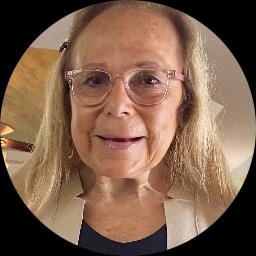
Therapist profile
Abbe Goodman, LMFT
California
LMFT for relationship and anxiety concerns
Continue with AbbeWhere Abbe stands
- Credentials
- LMFT
- License
- LMFT, California / 18873
- NPI
- 1326190315
- Experience
- 40 years
- Languages
- English
- Location
- California
About
- Stress and anxiety
- Relationship patterns
- Codependency issues
About Abbe
Abbe Goodman is a Licensed Marriage and Family Therapist (LMFT) licensed in California with 40 years of professional experience. She works with adults on stress, anxiety, relationships, eating concerns, self-esteem, and depression. Sessions focus on practical conversation and problem-solving rather than jargon or lengthy theory.
Goodman invites straightforward talk about relationship patterns such as people-pleasing, trouble saying no, and living around someone else’s moods or drinking. She also addresses abandonment worries, attachment issues, codependency, and communication challenges. The tone is direct and task-oriented: clients review what’s happening now and practice different ways of responding.
Her background includes long experience across age groups, and she notes work with adolescents and seniors in past roles. That experience informs how she explains things simply and checks understanding as conversations move forward. She tends to use approaches grounded in evidence, emphasizing techniques that produce clear, usable skills.
In sessions she helps people notice behaviors that drain them and then tests small, doable changes. This can include practicing ways to say no, setting clearer boundaries, and handling strong emotions so they interfere less with daily life. Conversations are practical and paced to the client’s needs.
Goodman asks new clients to take an initial matching questionnaire and schedule a first session. She describes therapy as a collaborative process where goals and steps are reviewed together.
How sessions work
Evidence-based techniques and online conversations
Abbe Goodman uses evidence-based therapeutic techniques that teach clear skills people can try between sessions. For example, cognitive-behavioral approaches focus on noticing unhelpful thoughts and testing new ways of thinking and acting to reduce anxiety and low mood. These techniques work well for stress, worry, and repetitive negative thought patterns.She also draws on attachment-informed methods that help people understand patterns in close relationships. That work looks at how early and current relationship experiences shape the urge to people-please or avoid conflict, and then practices small changes in how someone asks for what they need.
Finding the right approach is collaborative. Goodman will talk with each person about goals, try an approach for a few sessions, and adjust based on how things are going. The client and therapist decide together what feels useful and realistic to practice between visits.
The original biography did not list specific online session formats. Confirm the current session options before booking so you know whether video or phone sessions are available. Online sessions can make it easier to fit therapy around work and family life, allow quicker check-ins, or let people meet without traveling. They also make it possible to continue therapy when schedules or life events change.
Areas of focus
Areas of expertise
Primary focus
Additional focus areas
Experience
40+ years
Listed in
California
Languages
English
Questions
Frequently asked questions
What kinds of concerns does she address?
She works with stress, anxiety, relationship issues, eating concerns, low self-esteem, and depression. Additional areas include abandonment, attachment, body image, and codependency.
What is her therapeutic style like?
Her approach is practical and evidence-based with a focus on skills people can use outside sessions. Conversations are straightforward and goal-focused.
How much experience does she have?
She has 40 years of professional experience practicing as a clinician. That experience shapes her clear, plain explanations and step-by-step work.
What are her credentials and where is she based?
She is a Licensed Marriage and Family Therapist, LMFT, licensed in California. Her practice is located in California.
Do sessions take place in other languages or internationally?
Sessions are offered in English. She does not accept international clients.
What session formats are offered?
The original biography did not specify session formats. Confirm the current session options before booking so you know whether sessions are by video, phone, or another method.
How does pricing work?
Cost varies by location and sessions use a subscription that can be canceled at any time. Exact pricing details should be checked during the intake process.
How do I begin working with her?
Select the See online therapy options button, complete a short matching questionnaire, and schedule a first session. That starts the intake and planning conversation.
Details come from information the therapist supplied to BetterHelp. A license can be checked with the state board.
Online talk therapy is not emergency care. If you are not safe at home, use the crisis and helpline numbers.