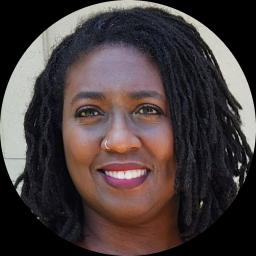
Therapist profile
Marlo Floyd, LPC
Arkansas
Arkansas LPC - Relationships and Codependency
Continue with MarloWhere Marlo stands
- Credentials
- LPC
- License
- LPC, Arkansas / P1402011
- NPI
- 1710141254
- Experience
- 23 years
- Languages
- English
- Location
- Arkansas
About
- Client-centered listening
- CBT and DBT skills
- EMDR for trauma
About Marlo
Marlo Floyd is an Arkansas Licensed Professional Counselor (LPC) with 23 years of experience. She focuses on stress, anxiety, relationship difficulties, trauma and abuse, low self-esteem, depression, addictions, grief, and codependency concerns. She also addresses parenting strain, anger, career changes, ADHD, and related issues.
Marlo offers straightforward talk therapy alongside spiritual and mindfulness techniques. She uses client-centered listening to understand what matters most to each person. She also draws on Cognitive Behavioral Therapy and Dialectical Behavior Therapy strategies to help people notice and change unhelpful patterns.
Her approach includes EMDR for processing certain trauma memories and mindfulness practices for calming intense feelings. Marlo mentions spiritual or Christian perspectives as part of some sessions, and she will respectfully work with a person's own source of inspiration. She names practical skills, habit change, and alternate thinking patterns as concrete goals of her work.
Sessions are aimed at reducing anxiety and depression, improving self-esteem, and finding steadier ways to manage relationships and cravings. She frames therapy around skills people can use day to day, such as emotion regulation and clearer communication. The work is direct and purpose-driven rather than vague or purely philosophical.
Clients can expect a mix of talk, skills practice, and mindful exercises. Marlo emphasizes life-skill development, forgiveness when it fits the client's goals, and building healthier relational patterns. People who are worn down by always putting others first may find the practical focus helpful.
How sessions work
Therapeutic approaches used in online sessions
Client-Centered Therapy focuses on listening and helping people clarify what matters to them. It is about being heard and finding personal goals, which can help with relationship and self-esteem concerns.Cognitive Behavioral Therapy (CBT) teaches practical strategies to notice unhelpful thoughts and change behaviors. It is often used for anxiety, depression, codependency patterns, and managing cravings.
Dialectical Behavior Therapy (DBT) provides skills for emotion regulation, distress tolerance, and clearer communication. These tools are useful when feelings feel overwhelming or when boundaries are hard to maintain.
Finding the right approach is part of the work. The therapist will collaborate with each person to decide which combination of methods fits their needs, goals, and preferences. That process usually involves short experiments with skills and checking what helps most.
Confirm the exact session formats before booking since the biography does not list them. When available, online sessions can make it easier to fit therapy into daily life by removing travel time, allowing shorter check-ins during busy days, or avoiding camera use when that helps someone engage. Licensed professionals can adapt CBT, DBT, and client-centered techniques to remote sessions so clients can practice skills and track progress between meetings.
Areas of focus
Areas of expertise
Primary focus
Also works with
Additional focus areas
Therapeutic approaches
Experience
23+ years
Listed in
Arkansas
Languages
English
Questions
Frequently asked questions
Does she help with people-pleasing and boundary problems?
Yes. She lists relationship difficulties and codependency among the concerns she works with and uses concrete skills to help people set clearer boundaries.
What is her general therapy style?
She uses a mix of talk therapy, client-centered listening, and practical skills training. Techniques include CBT and DBT tools plus mindfulness and spiritual perspectives when desired.
How long has she been practicing?
She has 23 years of experience as a counselor working with mood, trauma, substance and relationship concerns.
Where is she licensed and what credential does she hold?
She is an Arkansas LPC - Licensed Professional Counselor registered in Arkansas.
Does she offer sessions in other languages or to international clients?
Sessions are offered in English. She is not accepting international clients.
What session formats are available?
The original biography does not list specific session formats. Confirm current session options before booking to know whether phone or video sessions are offered.
How much do sessions cost?
Cost varies with location and sessions use a subscription that can be canceled at any time.
How do I get started with her?
Begin by selecting the See online therapy options button, completing a short matching questionnaire, and scheduling a first session.
Details come from information the therapist supplied to BetterHelp. A license can be checked with the state board.
Online talk therapy is not emergency care. If you are not safe at home, use the crisis and helpline numbers.