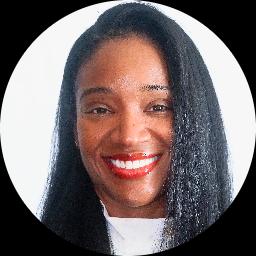
Therapist profile
LaTasha Green, LCSW
Florida
Licensed Clinical Social Worker - Relationships and Addictions
Continue with LaTashaWhere LaTasha stands
- Credentials
- LCSW
- License
- LCSW, Florida / SW11207; LICSW, Massachusetts / 125636; LCSW, Arkansas / 13164-C; LMFT, Florida / MT4927
- NPI
- 1295149292
- Experience
- 10 years
- Languages
- English
- Location
- Florida
About
- ACT based methods
- CBT skill building
- Attachment focus
About LaTasha
LaTasha Green is a Licensed Clinical Social Worker (LCSW) practicing in Florida with ten years of clinical experience. She works with people facing stress, anxiety, depression, bipolar disorder, addictions, and relationship concerns. She also supports those coping with trauma, grief, codependency patterns, and issues with intimacy and self-esteem.
She focuses on practical ways to manage symptoms and regain control over daily life. Sessions commonly include straightforward skills for mood and stress, strategies to handle urges or addictive patterns, and help sorting out relationship behavior that leaves someone feeling worn out. The style is down-to-earth and goal-oriented, with attention to each person’s real-world pressures.
LaTasha draws from Acceptance and Commitment Therapy and Cognitive Behavioral Therapy to help people notice unhelpful thinking and take value-driven actions. Attachment-based ideas inform work on relationship patterns and codependency behaviors. Client-centered approaches guide how she listens and responds when someone brings painful history or current crises.
She has practiced inside settings that serve people with serious mental illness and substance use concerns, using a recovery-oriented mindset. That background shapes how she blends symptom-focused work with longer-term coping skills. Her experience spans diverse cultural and socioeconomic backgrounds.
If you are unsure where to begin, LaTasha typically starts with assessment and goal-setting. From there she and the person decide which techniques to use, tracking small changes and adjusting plans as needed.
How sessions work
How therapeutic approaches guide online sessions
Acceptance and Commitment Therapy (ACT) helps people notice unhelpful thoughts and choose actions that match their values. In practice this can mean learning to accept difficult feelings while taking steps toward what matters. Cognitive Behavioral Therapy (CBT) focuses on identifying and changing thoughts and behaviors that keep someone stuck. It often includes homework like tracking moods and testing new ways of responding to triggers. Attachment-Based Therapy looks at patterns in close relationships and how early experiences shape trust and boundary habits; this can be useful for people who repeatedly lose themselves in relationships or struggle with codependency.Finding the right approach is part of the work together. The therapist will talk with the person about goals and preferences, try methods that fit those goals, and adjust plans based on what helps. That collaborative process means techniques may shift as progress or new needs appear.
The practical benefits of online work are about fitting sessions into daily life. Online work can make it easier to schedule sessions around work or caregiving, reduce travel time, and allow for brief check-ins when needed. Because the biography does not list specific session formats, confirm current online options before booking so you know what to expect.
Areas of focus
Areas of expertise
Primary focus
Also works with
Additional focus areas
Therapeutic approaches
Experience
10+ years
Listed in
Florida, Massachusetts, Arkansas
Languages
English
Questions
Frequently asked questions
What kinds of concerns does she address?
She works with stress, anxiety, depression, bipolar disorder, addictions, relationship problems, grief, trauma, and codependency-related patterns.
What is her general approach in sessions?
She uses practical, skills-based methods drawn from Acceptance and Commitment Therapy, Cognitive Behavioral Therapy, and attachment ideas to change behaviors and manage emotions.
How much clinical experience does she have?
She has ten years of professional experience working with people who have serious mental illness and substance use concerns within a recovery framework.
What are her credentials and where does she practice?
She is a Licensed Clinical Social Worker, holding AR LCSW and FL LCSW credentials, and practices in Florida.
Can I work with her if I live outside the United States?
Sessions are offered in English and she does not accept international clients at this time.
What session formats are available?
Please confirm current session options before booking, as the biography does not list specific session formats.
How are sessions priced?
Cost varies with location; sessions use a subscription that can be canceled at any time.
How do I get started?
Select the See online therapy options button, complete a short matching questionnaire, and schedule a first session.
Details come from information the therapist supplied to BetterHelp. A license can be checked with the state board.
Online talk therapy is not emergency care. If you are not safe at home, use the crisis and helpline numbers.