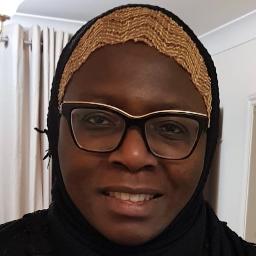
Counsellor profile
Khafayah Abdulsalam, BACP, NCPS
United Kingdom
Counsellor - relationships and anxiety
Continue with KhafayahWhere Khafayah stands
- Credentials
- BACP, NCPS
- Registration
- BACP, United Kingdom / 391408; NCPS, United Kingdom / NCS21-02368
- Experience
- 5 years
- Languages
- English, Yoruba
- Location
- United Kingdom
About
- Islamic counselling option
- Trauma informed work
- CBT and ACT tools
About Khafayah
Khafayah Abdulsalam is a counsellor and psychotherapist in the United Kingdom with five years' experience. She is an Accredited Member of the British Association for Counselling and Psychotherapy (BACP) and an Accredited Registrant of the National Counselling and Psychotherapy Society (NCPS). She works with people facing stress, anxiety, relationship problems, trauma and abuse, grief, depression, addictions and codependency.
She uses a mix of approaches that match what a person needs. That can include person-centred ways of working, Cognitive Behavioural Therapy (CBT) tools, emotion regulation techniques and reflective journaling. When requested, she can include Islamic counselling principles such as Qur'anic reflection, du'a and spiritually framed discussion.
Her work is trauma informed and practical. Sessions often focus on recognising patterns, managing overwhelming feelings, and building clearer boundaries. She also helps with identity and cultural friction, including struggles rooted in faith or family expectations.
Khafayah often meets people who feel silenced, stuck in people-pleasing, or overwhelmed by another person's drinking, moods or crises. She offers a steady, respectful approach to help clients name what is happening and plan steps forward that suit their values.
She provides remote therapy by video, phone or messaging and takes part in regular clinical supervision under BACP guidance. To begin, clients use an online matching questionnaire and schedule a first session through the platform.
How sessions work
Approaches used and how online sessions work
Acceptance and Commitment Therapy (ACT) encourages noticing difficult thoughts and feelings while identifying actions that match personal values. It can help when avoidance and people-pleasing get in the way of living the life someone wants. Attachment-Based Therapy focuses on patterns formed in close relationships. It helps people understand how early bonds affect trust, intimacy and boundary setting in adult relationships. Finding the best approach is part of the work. The therapist will talk with each client about their goals and preferences and suggest which methods to try. That decision is collaborative and can change as the work progresses. The biography lists remote sessions by video, phone and messaging, so confirm which of those formats are offered before booking. Online work can make it easier to fit sessions around daily life, reduce travel time and allow shorter check-ins when needed. Phone calls take less bandwidth and can be useful for brief conversations, while messaging allows written reflection between sessions. Registered or accredited professionals can adapt exercises, journalling and emotion regulation tools to work in remote sessions, helping people practice skills in everyday moments.Areas of focus
Areas of expertise
Primary focus
Also works with
Additional focus areas
Therapeutic approaches
Experience
5+ years
Listed in
United Kingdom
Languages
English, Yoruba
Questions
Frequently asked questions
What kinds of problems does she help with?
She supports people with stress, anxiety, grief, depression, addictions, relationship difficulties and codependency among other concerns.
How does she work in sessions?
Her style is integrative and trauma informed, using person-centred listening alongside CBT techniques, emotion regulation tools and reflective journaling.
How much experience does she have?
She has five years' experience as a counsellor and psychotherapist in the United Kingdom.
What qualifications does she hold and where is she based?
She is an Accredited Member of the British Association for Counselling and Psychotherapy (BACP) and an Accredited Registrant of the National Counselling and Psychotherapy Society (NCPS), practising in the United Kingdom.
Can she work with people who do not speak English?
Sessions are offered in English and Yoruba.
What session formats are available?
The original biography states she offers remote therapy by video, phone or messaging; confirm current session options before booking.
How are sessions paid for?
Cost varies with location and sessions use a subscription that can be cancelled at any time.
How do I begin working with her?
Select the See online therapy options button, complete a short matching questionnaire, and schedule a first session.
Details come from information the counsellor supplied to BetterHelp. A registration can be checked with the body that issued it.
Online talk therapy is not emergency care. If you are not safe at home, use the crisis and helpline numbers.