Therapist profile
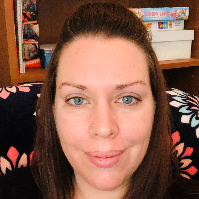
Katherine Waldrop, LCMHC
North Carolina
Licensed counselor - codependency and trauma
Continue with KatherineWhere Katherine stands
- Credentials
- LCMHC
- License
- LCMHC, North Carolina / S9665
- NPI
- 1336498229
- Experience
- 11 years
- Languages
- English
- Location
- North Carolina
About
- CBT techniques
- Emotion-focused work
- Mindfulness practices
About Katherine
Katherine Waldrop is a Licensed Clinical Mental Health Counselor (LCMHC) in North Carolina with 11 years of post-licensure counseling experience and prior work in mental health since 2005. She has worked in schools, in-home services, and outpatient settings. She commonly helps people cope with anxiety, depression, trauma and abuse, stress, ADHD, addictions, relationship issues, grief, and concerns about identity and intimacy.
Clients can expect a practical, interactive approach. Sessions are straightforward and sometimes include direct feedback. Katherine describes her style as open and occasionally using firm guidance when needed. She aims to treat people with respect and without stigmatizing labels.
Her background includes work in a Special Education high school in Baltimore and roles as an Intensive In-Home Qualified Professional and team lead after moving to North Carolina. Since earning full licensure in North Carolina in 2010 she has provided counseling to people coping with anger, low self-esteem, family separation, and adjustment challenges.
She draws from several methods to meet different concerns, including Client-Centered Therapy, Cognitive Behavioral Therapy (CBT), Emotionally-Focused Therapy (EFT), Mindfulness Therapy, and Motivational Interviewing. Those approaches are used to address mood disorders, trauma responses, behavioral concerns, and relationship patterns such as codependency.
Katherine works with adults on practical skills like communication, managing impulses, improving sleep and eating patterns, and coping with life changes. People often work on clearer boundaries, managing stress, and building steadier routines to support daily functioning.
How sessions work
How her approaches translate to online work
Client-Centered Therapy centers on listening and reflecting so clients feel understood and can explore what matters to them. It is useful for people dealing with shame, identity questions, or when they need more clarity about feelings. Cognitive Behavioral Therapy (CBT) focuses on spotting and changing unhelpful thoughts and small behavior experiments. It is practical for anxiety, mood changes, sleep disruption, and impulsive patterns. Emotionally-Focused Therapy (EFT) looks at how emotions shape relationship patterns and personal responses; it helps with attachment issues, intimacy concerns, and strong emotional reactions.Choosing an approach is a collaborative decision. The therapist will review goals, try different strategies, and adjust based on what helps most. Clients and the therapist check in about progress and pick methods that fit the person’s situation and preferences.
The original biography does not specify which session formats are offered online, so confirm current options before booking. In general, online sessions can make it easier to fit counseling into work breaks, reduce commuting time, or pick a quieter time of day. Some approaches lend themselves to short skills practice or worksheets that can be used between meetings to reinforce progress.
Areas of focus
Areas of expertise
Primary focus
Also works with
Additional focus areas
Therapeutic approaches
Experience
11+ years
Listed in
North Carolina
Languages
English
Questions
Frequently asked questions
What kinds of problems does Katherine help with?
She helps with stress, anxiety, depression, trauma and abuse, ADHD, addictions, relationship and intimacy concerns, grief, sleep and eating issues, and related life changes.
How would you describe her therapeutic style?
Her style is interactive and direct, with a mix of supportive listening and honest feedback. She uses a blend of approaches to match the issue at hand.
How much clinical experience does she have?
She has worked in mental health since 2005 and has held full licensure in North Carolina since 2010, giving her over a decade of post-licensure counseling experience.
What is her professional credential and location?
She is an LCMHC (Licensed Clinical Mental Health Counselor) practicing in North Carolina.
Can I work with her if I live outside the United States?
Sessions are offered in English and she does accept international clients. Confirm session logistics before booking.
What session formats does she offer?
The original biography does not list specific session formats. Please confirm current session options before scheduling.
How is cost handled for sessions?
Cost varies with location and sessions use a subscription that can be canceled at any time.
How do I get started working with her?
Select the See online therapy options button, complete a short matching questionnaire, and schedule a first session.
Details come from information the therapist supplied to BetterHelp. A license can be checked with the state board.
Online talk therapy is not emergency care. If you are not safe at home, use the crisis and helpline numbers.