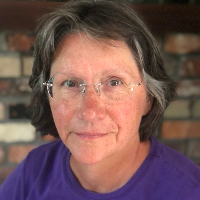
Therapist profile
Deborah Osborn, LCSW, LICSW
Idaho
Licensed clinical social worker - relationships and stress
Continue with DeborahWhere Deborah stands
- Credentials
- LCSW, LICSW
- License
- LCSW, Idaho / LCSW-35651; LICSW, West Virginia / dp00943338; LICSW, Washington / LW 61317611; LCSW, California / 120796
- NPI
- 1801160619
- Experience
- 25 years
- Languages
- English
- Location
- Idaho
About
- CBT methods
- Mindfulness practice
- Boundary work
About Deborah
Deborah Osborn is a licensed clinical social worker with 25 years of practice. She holds an LCSW and a LICSW and works from Idaho. She helps with stress, anxiety, relationship and family concerns, trauma and abuse, addictions, grief, sleep problems, parenting strain, anger, self-esteem, career shifts, bipolar and depression, and related issues including codependency and abandonment.
She trained first in counseling and later completed a second master’s in clinical social work. Her approach mixes practical techniques rather than relying on a single method. She commonly uses Cognitive Behavioral Therapy and mindfulness practices to identify unhelpful thoughts and build steady habits over time.
Sessions are collaborative. She treats each person as the expert on their own goals and works alongside them to set clear steps. Conversations focus on concrete skills - clearer communication, managing strong emotions, and setting boundaries - rather than vague platitudes.
Deborah adapts methods to fit what is working. She draws on Acceptance and Commitment Therapy, Dialectical Behavior Therapy, and motivational interviewing when those tools suit the goal. The tone in sessions is direct and practical, aimed at change that can be used day to day.
Many people seek her help for family of origin issues, codependency patterns, grief, and the strain of caregiving. She also supports those coping with major life changes and compassion fatigue. Her long experience gives a range of approaches to try when one way alone does not fit.
How sessions work
Therapeutic approaches used in online work
Deborah commonly uses Acceptance and Commitment Therapy and Cognitive Behavioral Therapy in her work. ACT focuses on clarifying values and taking small actions that align with those values, which can help when people feel stuck or live around others' needs. CBT looks at how thoughts, feelings, and behaviors interact and teaches practical skills to shift unhelpful patterns and manage anxiety or low mood.She also draws on client-centered ideas to treat the person as the expert on their own life. Choosing what to focus on is a collaborative process. The therapist and client review what helps and what does not, and then adjust techniques and goals together over time.
The platform's session options are not specified in her biography, so confirm current session formats before booking. Online sessions can make it easier to fit conversations into a busy week, allow shorter check-ins when needed, and remove travel time so work or caregiving schedules are easier to manage. Licensed professionals can adapt exercises, homework, and mindfulness practices so progress continues between sessions.
Areas of focus
Areas of expertise
Primary focus
Also works with
Additional focus areas
Therapeutic approaches
Experience
25+ years
Listed in
Idaho, West Virginia, Washington, California
Languages
English
Questions
Frequently asked questions
What concerns does she work with?
She works with stress, anxiety, relationships, family issues, trauma and abuse, addictions, grief, sleep problems, parenting strain, anger, self-esteem, career concerns, bipolar, depression, and related topics such as codependency and abandonment.
What is her therapy style like?
Her style is collaborative and practical. She uses evidence-based techniques like CBT and mindfulness and adapts them to each person's goals.
How much experience does she have?
She has been counseling since 1998, giving about 25 years of clinical experience across counseling and clinical social work.
What are her credentials and where is she based?
She holds LCSW and LICSW credentials and practices from Idaho.
Which languages are sessions offered in?
Sessions are offered in English.
Can people from other countries work with her?
She does not accept international clients; work is offered to those within her supported regions.
How are session costs handled?
Cost varies with location. Sessions use a subscription that can be canceled at any time.
How do I begin a first session?
Select the See online therapy options button, complete a short matching questionnaire, and schedule a first session.
Details come from information the therapist supplied to BetterHelp. A license can be checked with the state board.
Online talk therapy is not emergency care. If you are not safe at home, use the crisis and helpline numbers.