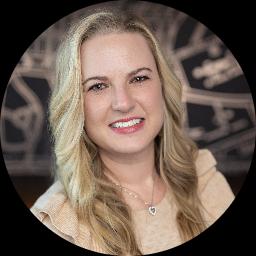
Therapist profile
Wendy Duncan Kithcart, LCSW
North Carolina
Licensed Clinical Social Worker - anxiety and family concerns
Continue with WendyWhere Wendy stands
- Credentials
- LCSW
- License
- LCSW, North Carolina / C007644
- NPI
- 1598039653
- Experience
- 18 years
- Languages
- English
- Location
- North Carolina
About
- Client-centered listening
- Cognitive Behavioral Therapy
- Dialectical Behavior Therapy
About Wendy
Wendy Duncan Kithcart is a Licensed Clinical Social Worker (LCSW) in North Carolina with 18 years of experience. She works with adults facing stress, anxiety, family conflict, trauma and abuse, parenting struggles, depression, addictions, relationship problems, grief, anger, self-esteem concerns, bipolar disorder, and coping with life changes.
She helps people talk through what feels overwhelming. Sessions focus on practical ways to handle emotions and daily challenges. Wendy uses straightforward conversation to uncover patterns that keep someone stuck and to try different responses in real life.
Her background includes long experience across mental health settings. That time has given her familiarity with many diagnoses and complex family situations. She draws on several clinical approaches to match what a person needs in the moment.
In sessions she combines client-centered listening with techniques from cognitive behavioral therapy and dialectical behavior therapy. She may also bring in existential questions or motivational interviewing when those fit the concern. The result is a mix of talking, practical skills, and checking what actually helps between appointments.
People often come for help with codependency, communication problems, family of origin issues, adoption and foster care concerns, and aging or chronic illness challenges. Wendy supports exploration of these topics and works with clients to set manageable steps forward.
How sessions work
How her approaches translate to online work
Client-centered therapy means the therapist listens closely and follows what matters most to the person. This approach helps when someone needs space to name feelings, sort priorities, or decide what to change. Cognitive Behavioral Therapy, or CBT, breaks problems into thoughts, feelings, and actions and teaches practical skills to shift unhelpful patterns. CBT is often used for anxiety, depression, and stress-related problems. Dialectical Behavior Therapy, or DBT, focuses on emotion regulation, distress tolerance, and interpersonal effectiveness. DBT techniques can help when intense emotions or relationship patterns feel overwhelming.Finding the right approach is part of the work. The therapist will collaborate with each person to choose which methods to try based on needs, goals, and what feels workable. That means checking in and adjusting techniques as progress is made or circumstances change.
The original biography did not list specific online session formats, so confirm current options before booking. Online work can make it easier to fit sessions into a busy life, shorten travel time, and allow more frequent check-ins when needed. Some formats also let people use phone rather than video, which can be a simpler way to connect when bandwidth is limited or a shorter check-in is needed.
Areas of focus
Areas of expertise
Primary focus
Also works with
Additional focus areas
Therapeutic approaches
Experience
18+ years
Listed in
North Carolina
Languages
English
Questions
Frequently asked questions
What kinds of problems does she help with?
She works with stress, anxiety, family conflict, trauma and abuse, parenting, depression, addictions, relationship issues, grief, anger, self-esteem concerns, bipolar disorder, and coping with life changes.
How would you describe her therapy style?
She blends client-centered listening with practical techniques from CBT and DBT and uses existential and motivational interviewing ideas when helpful. Sessions focus on talking through patterns and trying different coping strategies.
How much experience does she have?
She has 18 years of professional experience working in mental health settings and with a range of diagnoses and family situations.
What are her credentials and where is she based?
She is an LCSW licensed in North Carolina.
Does she offer sessions in other languages or internationally?
Sessions are offered in English and she accepts international clients.
What session formats are used?
The original biography does not list specific session formats; please confirm current session options before booking.
How much do sessions cost?
Cost varies with location and sessions use a subscription that can be canceled at any time.
How do I begin working with her?
Select the See online therapy options button, complete a short matching questionnaire, and schedule a first session.
Details come from information the therapist supplied to BetterHelp. A license can be checked with the state board.
Online talk therapy is not emergency care. If you are not safe at home, use the crisis and helpline numbers.