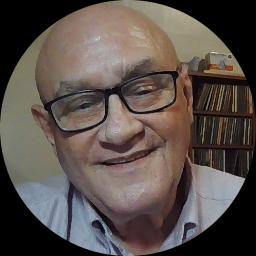
Therapist profile
Steven Forsyth, LPC
Missouri
Licensed Professional Counselor - Addiction and Relationships
Continue with StevenWhere Steven stands
- Credentials
- LPC
- License
- LPC, Missouri / 2019046401
- NPI
- 1245986942
- Experience
- 25 years
- Languages
- English
- Location
- Missouri
About
- CBT strategies
- Acceptance and commitment
- EMDR support
About Steven
Steven Forsyth is a Licensed Professional Counselor (LPC) in Missouri with 25 years of experience. He works with people facing stress, anxiety, addiction, relationship and family concerns, depression, trauma and abuse, grief, and related struggles such as codependency and low self-esteem. He also helps with intimacy concerns, sleeping and eating problems, ADHD, and coping with life changes.
Steven uses straightforward conversation and practical strategies in sessions. He draws on methods like cognitive behavioral work, acceptance and commitment ideas, mindfulness, and EMDR to help people notice unhelpful patterns and try different responses. He talks through what is happening now and what a person wants to do differently going forward.
Clients can expect a steady, experience-based approach that links past patterns with current behaviors. Steven pays attention to how addiction history, family of origin issues, or caregiving stress shape how someone reacts in relationships. He also works with grief, chronic illness stress, and other long-term challenges that affect daily life.
He learned addictions counseling after personal recovery and has followed models for relapse prevention, stages of change, and motivational interviewing. That background informs his work with substance use and habit change without assuming a single path for everyone.
Sessions aim to be practical and focused on what a person can do between meetings. Steven encourages small, doable steps toward clearer boundaries, better sleep and eating habits, and improved coping with anger or abandonment concerns.
How sessions work
How therapeutic approaches translate to online work
Acceptance and Commitment Therapy (ACT) focuses on noticing unhelpful thoughts and values-based action. Online ACT sessions often involve learning concrete exercises to reduce avoidance and practice small steps toward valued living. Cognitive Behavioral Therapy (CBT) breaks problems into thoughts, feelings, and behaviors and teaches specific skills to change patterns. In virtual sessions CBT can include guided homework, thought records, and behavioral experiments tailored to daily life. Eye Movement Desensitization and Reprocessing (EMDR) addresses distress linked to traumatic memories through structured procedures that can be adapted for remote delivery when appropriate.Choosing the right approach is part of the work and will be collaborative. The therapist will discuss goals, try methods, and adjust plans based on what helps most. Clients and the therapist decide together whether to emphasize skills practice, values work, or trauma-focused methods as needs and comfort evolve.
The original biography does not list specific session formats, so confirm current online options before scheduling. Many people find online sessions easier to fit into work breaks, reduce travel time, and keep therapy consistent during life changes. Online meetings can make it simpler to practice skills between sessions and to involve brief check-ins when needed. Licensed professionals adapt methods so sessions remain practical and focused on everyday changes.
Areas of focus
Areas of expertise
Primary focus
Also works with
Additional focus areas
Therapeutic approaches
Experience
25+ years
Listed in
Missouri
Languages
English
Questions
Frequently asked questions
Which concerns does he address?
He works with stress, anxiety, addictions, relationship and family concerns, depression, trauma and abuse, grief, and issues like codependency and self-esteem.
What is his general therapy style?
He uses practical, talk-based sessions with techniques from cognitive behavioral therapy, ACT, mindfulness, and EMDR when appropriate.
How much experience does he have?
He has 25 years of counseling experience and a long history working in addiction-related care.
What are his credentials and where is he based?
He is an LPC - Licensed Professional Counselor - practicing in Missouri.
Does he work in languages other than English or with international clients?
Sessions are offered in English and he accepts international clients.
What session formats does he offer?
The original biography does not list specific session formats; please confirm current session options before booking.
How are fees handled?
Cost varies with location and sessions use a subscription that can be canceled at any time.
How do I begin working with him?
Click the See online therapy options button, complete a short matching questionnaire, and schedule a first session.
Details come from information the therapist supplied to BetterHelp. A license can be checked with the state board.
Online talk therapy is not emergency care. If you are not safe at home, use the crisis and helpline numbers.