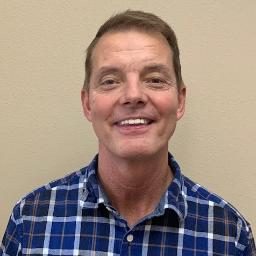
Therapist profile
Stephen Garman, LCPC, LPC
Missouri
Licensed counselor - Relationships and Addictions
Continue with StephenWhere Stephen stands
- Credentials
- LCPC, LPC
- License
- LPC, Missouri / 2018034146; LPC, Oklahoma / 11024; LCPC, Kansas / LCPC 03589
- NPI
- 1598422115
- Experience
- 3 years
- Languages
- English
- Location
- Missouri
About
- Client-centered approach
- Cognitive behavioral tools
- DBT skills training
About Stephen
Stephen Garman is a Licensed Clinical Professional Counselor (LCPC) and a Licensed Professional Counselor (LPC) practicing in Missouri with three years of experience. He works with adults on common concerns such as anxiety, depression, addictions, relationship stress, parenting challenges, grief, trauma and sleep problems. He also lists codependency among his focus areas and helps people dealing with impulsivity, low self-esteem, career strain, and compassion fatigue.
Stephen keeps sessions conversational and direct. He uses Client-Centered Therapy to listen and understand what matters most to each person. He also applies Cognitive Behavioral Therapy to spot unhelpful thought patterns and Dialectical Behavior Therapy skills for managing strong emotions and improving regulation.
In practical terms he has experience in crisis settings and working with substance use issues. He has supported people who have faced physical trauma or emotional abuse. He also has background with pastoral counseling and has worked across a range of life stages and concerns.
Sessions tend to focus on clear goals and usable tools. That can mean learning new coping skills, rehearsing boundary-setting, planning sleep strategies, or changing thought patterns that feed anxiety or low mood. He talks with people about next steps and what practices they can try between sessions.
People can expect straightforward conversation that centers the problems they name. Stephen draws from several therapeutic approaches to match what a person needs in the moment and over time.
How sessions work
How his approaches translate to online sessions
Client-Centered Therapy is about listening closely and making the conversation focus on what the client says matters. Online sessions can preserve that same open dialogue and let the therapist respond to immediate concerns.Cognitive Behavioral Therapy (CBT) breaks problems into thoughts, feelings, and actions. In an online session CBT often means identifying unhelpful thinking, practicing alternative responses, and using short exercises between meetings to test new behaviors.
Dialectical Behavior Therapy (DBT) offers practical skills for emotion regulation, distress tolerance, and interpersonal effectiveness. Online work can include teaching these skills, practicing them in-session, and making concrete plans to use them in day-to-day life.
Finding the right approach is part of the work. The therapist will discuss goals, try approaches, and adjust based on what helps most. That collaborative process looks the same whether sessions are in person or online.
Session logistics should be confirmed before booking because the biography does not list specific formats. Ask which session types are available and how they fit your schedule. Online options can make it easier to fit therapy into a work break, reduce travel time, or choose a shorter check-in when needed.
Areas of focus
Areas of expertise
Primary focus
Also works with
Additional focus areas
Therapeutic approaches
Experience
3+ years
Listed in
Missouri, Oklahoma, Kansas
Languages
English
Questions
Frequently asked questions
What kinds of problems does he help with?
He works with stress, anxiety, addictions, relationship and family concerns, depression, trauma and abuse, grief, sleep problems, parenting issues, anger, self esteem, career challenges, bipolar concerns, coping with life changes, compassion fatigue, and ADHD.
How would he describe his therapeutic style?
He uses a conversational, interactive style that combines Client-Centered Therapy, Cognitive Behavioral Therapy, and Dialectical Behavior Therapy to focus on skills, thoughts, and emotions.
What is his professional background?
He has three years of counseling experience and has worked in crisis settings and with substance use issues, as well as in pastoral counseling contexts.
Where is he licensed and practicing?
He holds KS LCPC and MO LPC credentials and practices in Missouri.
Does he offer sessions in other languages or to international clients?
Sessions are offered in English and he is not accepting international clients at this time.
What session formats are offered?
Please confirm current session options before booking, as formats are not specified in the biography.
How much do sessions cost?
Cost varies with location; sessions use a subscription that can be canceled at any time.
How do I get started if I want to work with him?
Select the See online therapy options button, complete a short matching questionnaire, and schedule a first session.
Details come from information the therapist supplied to BetterHelp. A license can be checked with the state board.
Online talk therapy is not emergency care. If you are not safe at home, use the crisis and helpline numbers.