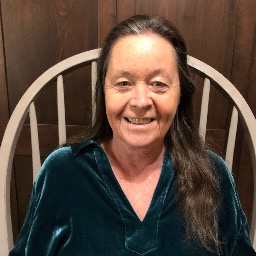
Therapist profile
Mary Kallenbach, LCMHC
North Carolina
Licensed Clinical Mental Health Counselor - Relationships and Trauma
Continue with MaryWhere Mary stands
- Credentials
- LCMHC
- License
- LCMHC, North Carolina / S3220
- NPI
- 1225160377
- Experience
- 23 years
- Languages
- English
- Location
- North Carolina
About
- CBT methods
- ACT approaches
- EMDR experience
About Mary
Mary Kallenbach is a Licensed Clinical Mental Health Counselor (LCMHC) in North Carolina with 23 years of experience. She works with adults facing stress, anxiety, relationship problems, trauma and abuse, depression, addictions, grief, codependency and other life challenges.
She keeps language simple in sessions and focuses on practical steps. Conversations often cover boundaries, managing strong emotions, and coping strategies that fit day-to-day life. She uses methods such as cognitive behavioral techniques, acceptance and commitment ideas, and skills drawn from dialectical behavior approaches.
Mary has a long history of work in both clinical and community settings. Her background includes inpatient work with adult women who had eating disorders and PTSD, school-based work with adolescents, and many years at a residential program supporting adults with serious mental illness.
Since 1998 she has run a small private practice and has helped people individually as well as in couples and group formats. Her training includes a Master’s degree in Counseling from Webster University and many years using EMDR and exposure techniques when trauma is present.
In sessions she aims to identify practical goals and then try approaches that make sense for the person in front of her. People typically talk through recent patterns, practice skills, and plan steps they can take between sessions.
Mary works in English and practices in North Carolina. Before booking, confirm current session options and formats that fit your schedule.
How sessions work
How her approaches translate to online work
Acceptance and Commitment Therapy (ACT) helps people notice difficult thoughts and feelings without getting stuck, then pick actions that match their values. It is useful for anxiety, depression, and patterns like people-pleasing. Cognitive Behavioral Therapy (CBT) focuses on identifying unhelpful thoughts and testing them with concrete behavioral experiments. It is often used for anxiety, mood concerns, and changing avoidance patterns. Eye Movement Desensitization and Reprocessing (EMDR) is used when past traumatic memories continue to cause distress; it combines focused memory work with bilateral stimulation to reduce the intensity of those memories.Finding the right approach is collaborative. The therapist will discuss which methods seem likely to help, try them out, and adjust based on how the person responds. Clients and the therapist work together to match goals with techniques and pace.
Confirm current session formats before booking because the biography does not list them. When offered, remote sessions can make it easier to fit therapy into a busy week, reduce travel time, and allow shorter check-ins on workdays. Some approaches adapt well to remote work - for example CBT homework and ACT exercises translate easily to home practice, and discussion-based parts of EMDR can be prepared in online sessions. Ask about specific format details when scheduling to make sure they fit your routine.
Areas of focus
Areas of expertise
Primary focus
Also works with
Additional focus areas
Therapeutic approaches
Experience
23+ years
Listed in
North Carolina
Languages
English
Questions
Frequently asked questions
What kinds of problems does she address?
She works with stress, anxiety, relationship struggles, trauma and abuse, depression, addictions, grief, codependency and related concerns.
How would you describe her therapeutic style?
She keeps sessions practical and straightforward, focusing on actions and skills to try between meetings.
How much experience does she have?
She has 23 years of experience working in clinical and community settings, including inpatient, school, residential, and private practice roles.
What are her credentials and where does she practice?
She is an LCMHC licensed in North Carolina and maintains a practice in that state.
Are sessions available in other languages or for international clients?
Sessions are offered in English and international clients are not currently accepted.
What session formats does she offer?
Please confirm current session format options before booking, as formats are not specified in the biography.
How does pricing work for sessions?
Cost varies with location and services; sessions use a subscription that can be canceled at any time.
How do I get started with scheduling a first session?
Select the See online therapy options button, complete a short matching questionnaire, and schedule your first session.
Details come from information the therapist supplied to BetterHelp. A license can be checked with the state board.
Online talk therapy is not emergency care. If you are not safe at home, use the crisis and helpline numbers.