Therapist profile
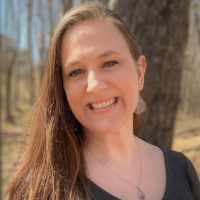
Elizabeth Romska, LCSW
North Carolina
Licensed Clinical Social Worker - Stress and Relationships
Continue with ElizabethWhere Elizabeth stands
- Credentials
- LCSW
- License
- LCSW, North Carolina / C007055
- NPI
- 1174158653
- Experience
- 15 years
- Languages
- English
- Location
- North Carolina
About
- ACT and CBT
- DBT skills
- Motivational interviewing
About Elizabeth
Elizabeth Romska is a Licensed Clinical Social Worker (LCSW) in North Carolina with 15 years of experience. She works with adults facing stress, anxiety, depression, trauma and abuse, parenting challenges, and relationship or intimacy-related concerns. She also addresses codependency, addiction, grief, ADHD, and a range of family and attachment issues.
Elizabeth uses a client-centered, trauma-focused approach. She listens first and helps people name what matters to them. Sessions are practical and focused on finding tools that fit each person’s life instead of one-size-fits-all solutions.
Her background includes an MSW from East Carolina University and a Bachelor of Social Work from Meredith College in Raleigh, NC. She also holds a certification in Critical Incident Stress Management and participates as a crisis counselor for a school district’s CISM team. Those experiences shaped her work with people dealing with crisis, caregiver stress, and family-of-origin problems.
In sessions she draws on Acceptance and Commitment Therapy, Cognitive Behavioral Therapy, Dialectical Behavior Therapy, Motivational Interviewing, and Client-Centered Therapy. That mix supports practical skill-building for anxiety, coping with change, managing strong emotions, and improving communication.
She aims to help people recognize the patterns that lead them to put others first and to build clearer boundaries and self-awareness. Elizabeth helps clients talk through feelings of abandonment, shame, emptiness, or guilt and to practice new ways of responding to family conflict and caregiving strain.
Outside of clinical work she has long experience as a school social worker and brings that perspective to issues around parenting, family stress, and community crises. Her practice emphasizes steady, down-to-earth support and concrete steps toward more manageable day-to-day life.
How sessions work
How therapeutic approaches shape online sessions
Acceptance and Commitment Therapy (ACT) focuses on clarifying what matters to someone and taking small committed actions toward those values. It can help with anxiety, depression, codependency patterns, and coping with life changes. Cognitive Behavioral Therapy (CBT) looks at thoughts and behaviors and offers concrete exercises to change unhelpful patterns. It is often used for anxiety, low mood, and managing strong reactions.Choosing the right approach is part of the work. The therapist and client figure out together which methods fit the person’s goals and preferences. Sessions blend practical skill-building, values-based decisions, and reflective conversation so the plan can change as needed.
The biography does not list specific session formats, so confirm current online options before booking. Online therapy can make it easier to fit sessions into a busy life - for example a shorter check-in during a break, reducing travel time, or avoiding being on camera when that feels hard. Licensed professionals can use these practical adjustments to keep therapy useful and manageable while focusing on the issues you bring.
Areas of focus
Areas of expertise
Primary focus
Also works with
Additional focus areas
Therapeutic approaches
Experience
15+ years
Listed in
North Carolina
Languages
English
Questions
Frequently asked questions
What kinds of problems does she help with?
She works with stress, anxiety, depression, trauma and abuse, parenting strain, relationship and intimacy issues, codependency, addiction concerns, grief, ADHD, and related family and attachment problems.
What is her therapy style like?
Her style is client-centered and trauma-focused. She helps people notice values, build skills, and take practical steps that fit their lives.
How much clinical experience does she have?
She has 15 years of experience as a clinician and many years working as a school social worker supporting children and families.
What are her professional credentials and location?
She is a Licensed Clinical Social Worker (LCSW) licensed in North Carolina and practices from that state.
Does she offer sessions in other languages or to international clients?
Sessions are offered in English only and she is not accepting international clients at this time.
What session formats are available?
Please confirm current session options before booking as the biography does not list specific session formats.
How does her pricing work?
Cost varies with location and sessions use a subscription that can be canceled at any time.
What should I do to get started?
Select the See online therapy options button, complete the short matching questionnaire, and schedule a first session.
Details come from information the therapist supplied to BetterHelp. A license can be checked with the state board.
Online talk therapy is not emergency care. If you are not safe at home, use the crisis and helpline numbers.