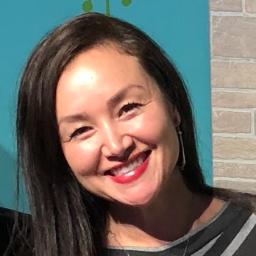
Therapist profile
Angela Robinson, LPC
Georgia
Licensed Professional Counselor - Anxiety and Grief
Continue with AngelaWhere Angela stands
- Credentials
- LPC
- License
- LPC, Georgia / LPC008155
- NPI
- 1851924617
- Experience
- 17 years
- Languages
- English
- Location
- Georgia
About
- Grief and loss
- Anxiety tools
- Breadth of experience
About Angela
Angela Robinson is a Licensed Professional Counselor (LPC) in Georgia with 17 years of experience. She focuses on stress, anxiety, grief, trauma and relationship concerns, and also supports people dealing with codependency-related patterns. Her work is straightforward and aimed at helping people notice what keeps them stuck and try concrete ways to feel steadier.
She draws on both personal experience and clinical training to guide sessions. That background includes years working in hospice, community settings, and private practice. Angela uses breathwork, anxiety tools, and grief recovery methods alongside talk therapy to help people manage intense emotions and recurring distress.
Sessions tend to be collaborative. Angela helps clients identify patterns - like people-pleasing or putting others first - and practices new ways of responding. She emphasizes skills for grounding, emotional regulation, and clearer communication rather than quick fixes.
Her training includes a Master’s degree in Community Counseling and the LPC credential in Georgia. She is also a Certified Breathwork Coach, a Certified Clinical Anxiety Treatment Professional (CCATP), and a Certified Grief Recovery Specialist. Angela has written books on anxiety and grief that extend the tools she uses in clinical work.
Her early work as a Peace Corps volunteer shaped how she thinks about resilience and connection. Over time she has combined cognitive-behavioral, psychodynamic, humanistic, and attachment-informed ideas into an integrative practice. People who come to her often want relief from anxiety, more steadiness around loss, and clearer boundaries in relationships.
How sessions work
How her therapeutic approaches fit into online sessions
Acceptance and Commitment Therapy (ACT) focuses on noticing painful thoughts and feelings without getting ruled by them, and it helps people commit to actions that reflect their values. That can be useful for anxiety, grief, and codependency-style patterns where someone keeps putting others first. Attachment-Based Therapy looks at how early bonds shape current relationships and helps people understand and change recurring closeness and distance patterns that cause distress.Finding the right approach is part of the work. Angela treats the choice of methods as a conversation. She will talk with each person about goals, past experiences, and what feels most useful, then try practical techniques and adjust as needed in collaboration with the client.
Practical benefits of online work include fitting sessions into a busy life and making it easier to attend from different locations. Because formats were not specified in the biography, confirm current session options before booking so you know how sessions are conducted. Online sessions can make brief check-ins, longer therapy conversations, or skills practice simpler to schedule and help people keep consistent momentum while balancing other responsibilities.
Areas of focus
Areas of expertise
Primary focus
Also works with
Additional focus areas
Therapeutic approaches
Experience
17+ years
Listed in
Georgia
Languages
English
Questions
Frequently asked questions
Can she help with people-pleasing and boundary problems?
Yes. She works with patterns like people-pleasing and difficulty saying no, and practices concrete ways to set clearer boundaries.
What is her therapeutic style like?
She uses a collaborative, integrative style drawing on cognitive-behavioral, attachment-informed, and humanistic ideas with practical tools such as breathwork.
How much experience does she have?
She has 17 years of clinical experience across hospice, community settings, and private practice.
What are her credentials and where is she based?
She is a Licensed Professional Counselor (LPC) in Georgia and holds a Master’s degree in Community Counseling.
Which languages are supported?
Sessions are offered in English.
Does she work with international clients?
She does not accept international clients at this time.
How does billing and cost work?
Cost varies by location and sessions use a subscription model that can be canceled at any time.
How do I start a first session?
Select the See online therapy options button, complete the short matching questionnaire, and schedule a first session.
Details come from information the therapist supplied to BetterHelp. A license can be checked with the state board.
Online talk therapy is not emergency care. If you are not safe at home, use the crisis and helpline numbers.