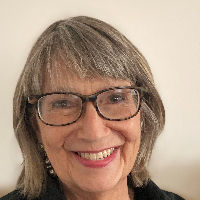
Therapist profile
Patricia Manning, LPC
Oregon
Licensed Professional Counselor - Trauma and Relationships
Continue with PatriciaWhere Patricia stands
- Credentials
- LPC
- License
- LPC, South Carolina / 6060; LPC, Oregon / C5983
- NPI
- 1487113593
- Experience
- 11 years
- Languages
- English
- Location
- Oregon
About
- Attachment work
- CBT skills
- Trauma focus
About Patricia
Patricia Manning is a Licensed Professional Counselor (LPC) with 11 years of clinical experience. She practices in Oregon and works with people facing stress, anxiety, grief, relationship strain, parenting challenges, trauma and abuse, depression, and codependency-related concerns.
Patricia uses a client-centered stance that keeps the person's experience in focus. She draws on attachment-based ideas to look at how early relationships affect current patterns. She also uses cognitive behavioral methods and skills from dialectical behavior therapy to help people identify unhelpful thinking and build concrete coping skills.
Her background includes many years working with children and families affected by violence, foster care, and adoption. That work continued in settings such as residential treatment, psychiatric hospitals, alternative schools, and a shelter for survivors of domestic violence and sexual assault. Patricia later completed a Master of Arts in Mental Health Counseling in 2008 from Webster University.
In sessions she combines practical tools with discussion about life meaning and responsibilities. She pays attention to attachment patterns, family history, and how stress shows up in daily life. That can look like learning boundary-setting, practicing emotion regulation skills, or processing traumatic memories with appropriate methods.
People who come to her often want help managing daily overwhelm, setting clearer limits, coping with loss, or understanding how past relationships shape present ones. To begin, clients complete a short matching questionnaire and schedule a first session so work can start in a focused way.
How sessions work
How her approaches translate to online work
Patricia often integrates attachment-based work and cognitive behavioral therapy when meeting with clients. Attachment-based work looks at how early relationships shaped current patterns and helps people recognize repeated behaviors in relationships. Cognitive behavioral therapy focuses on identifying unhelpful thoughts and trying new behaviors to reduce anxiety, codependent patterns, and low mood.She also uses elements of dialectical behavior therapy to teach emotion regulation and distress tolerance skills for intense feelings. These tools can be practiced during sessions and applied between meetings to handle triggers, boundary-setting, or overwhelming days.
Finding the right approach is part of the process and will be decided collaboratively. The therapist will talk with the client about goals, preferences, and what feels useful. Together they will try methods and adjust the focus based on progress and feedback.
The biography does not list specific session formats, so confirm current options before booking. Many people appreciate online sessions because they can fit appointments around work or family obligations, schedule a shorter check-in when needed, or avoid travel time. Online work still allows for structured skills practice, processing of relationship patterns, and follow-up planning that fits into everyday life.
Areas of focus
Areas of expertise
Primary focus
Also works with
Additional focus areas
Therapeutic approaches
Experience
11+ years
Listed in
South Carolina, Oregon
Languages
English
Questions
Frequently asked questions
What kinds of concerns does she address?
She works with stress, anxiety, trauma and abuse, grief, relationship strain, parenting issues, depression, codependency concerns, and related challenges listed in her profile.
What is her therapeutic style?
She uses a client-centered approach with attachment-based ideas and practical skill building from CBT and DBT.
How much clinical experience does she have?
She has 11 years of professional experience working in mental health settings and with families affected by violence, foster care, and adoption.
Which credentials and region apply to her practice?
She is a Licensed Professional Counselor (LPC) and practices in Oregon. She also holds SC LPC and OR LPC designations as listed.
Are sessions offered in other languages or internationally?
Sessions are offered in English. She does not accept international clients.
What session formats are used?
Session formats were not specified in the biography. Confirm current session options before booking by following the platform’s booking steps.
How are costs handled?
Cost varies with location and sessions use a subscription that can be canceled at any time; check the platform for exact pricing details.
How do I get started?
Select the See online therapy options button, complete a short matching questionnaire, and schedule a first session to begin.
Details come from information the therapist supplied to BetterHelp. A license can be checked with the state board.
Online talk therapy is not emergency care. If you are not safe at home, use the crisis and helpline numbers.