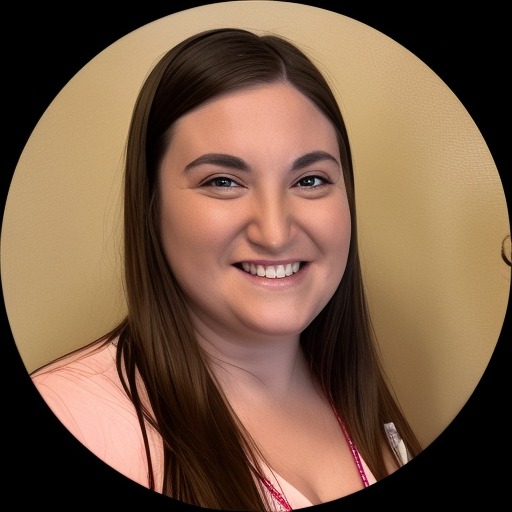
Therapist profile
Nicole Rosoline, LPC
New Jersey
Licensed Professional Counselor - Relationships and Mood
Continue with NicoleWhere Nicole stands
- Credentials
- LPC
- License
- LPC, New Jersey / 37PC00842600
- NPI
- 1902541279
- Experience
- 10 years
- Languages
- English
- Location
- New Jersey
About
- CBT strategies
- Client-centered work
- Mindfulness practice
About Nicole
Nicole Rosoline is a Licensed Professional Counselor (LPC) in New Jersey with ten years of clinical experience. She works with adults who are coping with stress, anxiety, depression, relationship and family concerns, trauma and abuse, grief, parenting pressures, and life changes. She also lists codependency among her focus areas and addresses issues like attachment and communication problems.
Nicole uses a direct, interactive approach in sessions. She draws on client-centered methods alongside cognitive and behavioral strategies to help people notice patterns, test new reactions, and practice skills that reduce distress. Sessions often include clear problem-solving, behavioral experiments, and reflective conversation about relationship dynamics.
Her background includes a master’s degree in counseling from William Paterson University and a decade of work as a mental health counselor, including experience in crisis counseling. That mix gives her experience with both immediate stabilization and longer-term change work.
In practical terms she helps clients name what they want to change and sets small, achievable steps to get there. That can mean working on boundary-setting, managing strong emotions, reducing people-pleasing, or rebuilding after loss.
Nicole frames therapy as collaborative. She listens for what matters most, suggests tools drawn from cognitive-behavioral and mindfulness practices, and checks in about what is actually helping. Clients who prefer straightforward discussion and concrete skills for everyday life tend to find this approach useful.
How sessions work
How her approaches translate to online sessions
Client-centered therapy focuses on listening closely and following what matters to the client. Online sessions using this approach emphasize reflective conversation and helping the client name goals and priorities. Cognitive Behavioral Therapy (CBT) breaks problems into thoughts, behaviors, and feelings. In remote sessions CBT often includes homework, simple behavioral experiments, and step-by-step skill practice to reduce anxiety or change unhelpful habits. Dialectical Behavior Therapy (DBT) teaches concrete skills for emotion regulation, distress tolerance, and clearer communication. When used online, DBT-style teaching can include brief skills coaching and structured practice between visits.Finding the right fit is part of the work. The therapist will collaborate with the client to decide which methods feel most useful given the person’s goals, daily routines, and immediate concerns. That choice can shift as progress is made or new situations arise.
The practical benefit of online sessions is making therapy easier to fit into daily life. Confirm current session options before booking so you know what formats are offered. Many people appreciate shorter commute time, easier scheduling around work or childcare, and the ability to continue regular skill practice between sessions. The focus remains on concrete tools, clearer communication, and achievable steps for change.
Areas of focus
Areas of expertise
Primary focus
Also works with
Additional focus areas
Therapeutic approaches
Experience
10+ years
Listed in
New Jersey
Languages
English
Questions
Frequently asked questions
What kinds of problems does she help with?
She works with stress, anxiety, depression, relationship and family concerns, trauma and abuse, grief, parenting strain, bipolar issues, and related areas such as codependency and attachment problems.
What is her therapy style like?
Her style is interactive and practical. Sessions mix client-centered conversation with cognitive-behavioral and mindfulness techniques to build skills and change unhelpful patterns.
How much experience does she have?
She has ten years of experience working as a mental health counselor, including crisis counseling and work with mood and relationship concerns.
What are her credentials and where is she based?
She is a Licensed Professional Counselor (LPC) licensed in New Jersey and practices from that state.
Which languages are sessions offered in?
Sessions are offered in English.
Can people outside the United States work with her?
International clients are not currently accepted.
How are sessions paid for?
Cost varies with location; sessions use a subscription model that can be canceled at any time.
How do I begin working with her?
Begin by selecting the See online therapy options button, completing a short matching questionnaire, and scheduling a first session.
Details come from information the therapist supplied to BetterHelp. A license can be checked with the state board.
Online talk therapy is not emergency care. If you are not safe at home, use the crisis and helpline numbers.