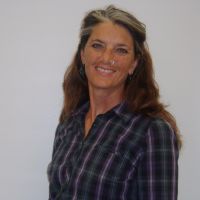
Therapist profile
Karen House, LPC, LPCC
Colorado
LPC and LPCC - stress and trauma care
Continue with KarenWhere Karen stands
- Credentials
- LPC, LPCC
- License
- LPC, Colorado / LPC.0005744; LPCC, New Mexico / CCMH0088671; LCSW, Alaska / 204526
- NPI
- 1619033016
- Experience
- 25 years
- Languages
- English
- Location
- Colorado
About
- Problem solving focus
- CBT and EFT methods
- Trauma processing EMDR
About Karen
Karen House is a Licensed Professional Counselor (LPC) and a Licensed Professional Clinical Counselor (LPCC) with 25 years of experience in Colorado. She works with adults on problems such as stress, anxiety, addictions, trauma and abuse, grief, depression, bipolar issues, sleep difficulties, self-esteem, and LGBT concerns. She also lists codependency and attachment struggles among her focus areas.
Karen uses a straightforward, problem-solving approach in sessions. She listens closely and helps clients identify a few practical tools in the first appointment. Those tools are then expanded in later meetings so people have concrete ways to manage day-to-day problems.
Sessions include some between-session work. Clients are asked to try short exercises or reflections and bring back what did and didn’t help. That practical follow-up is part of how she builds progress over time.
Karen draws from several therapy methods to suit what a person needs. She integrates client-centered listening with techniques from cognitive behavioral therapy and emotionally-focused work. She also uses EMDR for trauma processing and existential ideas when questions about meaning and values come up.
Her style is informal and direct. She aims to help people reduce immediate distress while building skills for longer-term change. People who find themselves putting others first, having trouble saying no, or caught in patterns around someone else’s drinking may find the focus areas listed here relevant.
How sessions work
How her approaches translate to online work
Client-Centered Therapy focuses on listening and reflecting back what matters to the person. Online sessions using this approach keep conversation focused on the client’s concerns and priorities, so the therapist follows the client’s lead and clarifies what feels most urgent.Cognitive Behavioral Therapy (CBT) breaks down thoughts and behaviors into actionable steps. In remote sessions CBT often means setting small experiments or exercises to try between meetings, and then reviewing what happened together.
Eye Movement Desensitization and Reprocessing (EMDR) is a method for processing traumatic memories. When used remotely, EMDR involves guided processing and specific protocols adapted for distance work so that trauma symptoms can be addressed while the therapist provides step-by-step guidance.
Deciding which approach to use is collaborative. The therapist will talk about options, try them in session, and adjust based on the client’s goals and reactions. That helps find a practical fit rather than assuming one method up front.
The biography does not list specific session formats, so confirm the available options before booking. Online work can make it easier to fit therapy into a busy life - for example, shorter check-ins during a break, sessions that do not require travel, or options that reduce camera use when that helps someone focus. These practical benefits help people keep therapy consistent alongside everyday responsibilities.
Areas of focus
Areas of expertise
Also works with
Additional focus areas
Therapeutic approaches
Experience
25+ years
Listed in
Colorado, New Mexico, Alaska
Languages
English
Questions
Frequently asked questions
What kinds of problems does she help with?
She works with stress, anxiety, addictions, trauma and abuse, grief, depression, bipolar concerns, sleep issues, self-esteem and LGBT matters among other issues.
How would you describe her therapy style?
Her style is casual and problem-solving oriented. She listens and gives practical tools to try between sessions.
How much clinical experience does she have?
She brings 25 years of counseling experience in a variety of settings.
What are her credentials and where does she practice?
She holds LPC and LPCC credentials and practices in Colorado.
Which languages are supported for sessions?
Sessions are offered in English.
Can people outside the US work with her?
She accepts international clients; confirm any cross-border details before scheduling.
What session formats are available?
The biography does not specify session formats. Confirm current session options with the provider before booking.
How does the cost and sign-up work?
Costs vary with location and sessions use a subscription that can be canceled at any time. To start, use the See online therapy options button, complete the short matching questionnaire, and schedule a first session.
Details come from information the therapist supplied to BetterHelp. A license can be checked with the state board.
Online talk therapy is not emergency care. If you are not safe at home, use the crisis and helpline numbers.