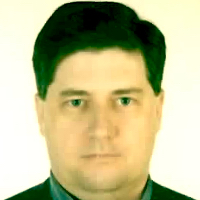
Therapist profile
Gregory Harbaugh, LMFT
California
LMFT - Relationships and Codependency
Continue with GregoryWhere Gregory stands
- Credentials
- LMFT
- License
- LMFT, California / 100711
- NPI
- 1538473590
- Experience
- 17 years
- Languages
- English
- Location
- California
About
- Attachment work
- CBT strategies
- Mindfulness practice
About Gregory
Gregory Harbaugh is a California licensed marriage and family therapist (LMFT) with 17 years of clinical experience. He works with adults facing stress, anxiety, relationship strain, trauma and abuse, depression, grief, intimacy concerns, parenting challenges, and issues around self-esteem and career. He also lists codependency among his additional focus areas. He practices in California and provides services in English.
Gregory uses a blend of practical approaches rather than a single technique. He often draws on attachment-based ideas to look at how early relationships shape current patterns. He uses client-centered methods to make sessions collaborative and to help people speak frankly about what matters to them. Cognitive Behavioral Therapy (CBT) and Dialectical Behavior Therapy (DBT) tools are applied to change unhelpful thoughts and skills for managing strong emotions.
Sessions typically include clear goals, skills practice, and moments to reflect on deeper patterns. Gregory pays attention to how past losses or attachment wounds affect present relationships. He also works with identity-related concerns including LGBT matters and gender dysphoria when relevant to the presenting issue.
He trained at the University of Southern California and the University of Michigan and completed clinical practicum work at Saban Community Clinic. His background includes work alongside medical and psychiatric practitioners, and he keeps up with continuing education required for license renewal.
Gregory emphasizes collaborative planning so clients know what to expect. He can help people who repeatedly put others first, struggle to say no, or find themselves drained by partners or family dynamics. To begin, the site asks prospective clients to complete a short matching questionnaire and schedule a first session.
How sessions work
How Gregory uses therapeutic approaches in online work
Gregory commonly combines attachment-based ideas with client-centered practices. Attachment-based work looks at how early relationship experiences shape current patterns. This can help with repeated people-pleasing, fear of abandonment, and intimacy concerns. Client-centered therapy keeps the process collaborative, encouraging the client to guide session topics and pace while the therapist reflects and clarifies.He also uses Cognitive Behavioral Therapy (CBT) to identify and shift unhelpful thoughts and behaviors. CBT is useful for anxiety, low mood, and stress and often includes practical exercises between sessions. Mindfulness techniques are employed to notice strong emotions without acting on them and to build distress-tolerance skills when feelings feel overwhelming.
Choosing an approach is part of the work and will be decided together. The therapist will discuss goals, preferences, and what feels most useful, then adapt methods as progress unfolds. This collaborative process helps match strategies to the issues someone brings.
The original biography does not specify which online session formats are offered, so confirm current options before booking. Online work can make scheduling easier and reduce travel time. It can also allow shorter check-ins, fitting a session into a lunch break, or avoiding camera use when that helps a person engage.
Areas of focus
Areas of expertise
Primary focus
Also works with
Additional focus areas
Therapeutic approaches
Experience
17+ years
Listed in
California
Languages
English
Questions
Frequently asked questions
Will he help with people-pleasing and boundary setting?
Yes. He lists codependency and relationship concerns among his focus areas and works on boundary issues and people-pleasing in sessions.
What is his general therapy style?
He uses a collaborative, client-centered approach with practical tools from CBT and DBT and attention to attachment patterns.
How much clinical experience does he have?
He brings 17 years of experience as a psychotherapist, including work at Saban Community Clinic and in private practice in California.
What credential does he hold and where is he based?
He is an LMFT (California Licensed Marriage and Family Therapist) and practices in California.
Are sessions available in other languages or internationally?
Sessions are offered in English and international clients are not currently accepted.
What session formats does he offer?
The original biography does not list specific session formats; please confirm current session options before booking.
How are fees handled?
Cost varies with location and sessions use a subscription that can be canceled at any time.
How do I begin a first session?
Start by selecting the See online therapy options button, completing a short matching questionnaire, and scheduling a first session.
Details come from information the therapist supplied to BetterHelp. A license can be checked with the state board.
Online talk therapy is not emergency care. If you are not safe at home, use the crisis and helpline numbers.