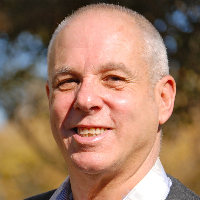
Therapist profile
Gary Zarchy, LPC
Arizona
LPC counselor - addiction and relationship concerns
Continue with GaryWhere Gary stands
- Credentials
- LPC
- License
- LPC, Arizona / LPC-10642
- NPI
- 1598827214
- Experience
- 25 years
- Languages
- English
- Location
- Arizona
About
- Client-Centered Therapy
- Cognitive Behavioral Therapy
- EMDR and mindfulness
About Gary
Gary Zarchy is an LPC - Licensed Professional Counselor in Arizona with 25 years of clinical experience. He works with people who are dealing with stress, anxiety, addiction, depression, trauma, relationship struggles, and a wide range of life changes. He also lists codependency among his focus areas and supports concerns related to intimacy, grief, and identity issues.
Gary describes the answers as already present in the client and sees his role as guide, educator, advocate, and encourager. He uses straightforward conversation and practical techniques rather than abstract theory. Sessions aim to clarify goals, build skills, and reduce behaviors that get in the way of daily life.
He earned a master's degree from the University of Phoenix and has taught in that counseling department for eighteen years. His teaching work has included both in-person and online classes, which influences how he frames learning and practice in sessions. He blends clinical work with an educator's emphasis on skills and problem solving.
Gary draws from Client-Centered Therapy, Cognitive Behavioral Therapy, Existential Therapy, EMDR, mindfulness, Motivational Interviewing, Choice/Reality theory, and Solution-Focused approaches. He chooses methods to match what a person needs that day and what they want to accomplish over time.
Many clients work with him on substance use, communication problems, family of origin issues, and coping with life transitions. He aims to help people meet their goals and move out of counseling when they feel the work is done.
Background and approach note: sessions focus on concrete steps and self-reflection. Gary emphasizes skill-building, clearer boundaries, and practical changes in thinking and behavior. He often combines short-term strategies with deeper work on trauma or grief when needed.
How sessions work
How therapeutic approaches translate to online sessions
Client-Centered Therapy focuses on listening, reflecting, and following what matters to the person. Online work using this approach involves conversations that prioritize the client's goals and preferred pace. Cognitive Behavioral Therapy (CBT) looks at links between thoughts, feelings, and actions and uses practical exercises to change unhelpful patterns. In online sessions CBT can include brief worksheets, behavior experiments, and coaching between meetings. EMDR addresses memories and trauma by using bilateral stimulation alongside guided processing; when used online it follows the same steps as in-person EMDR with adaptations for the format. Finding the right approach is part of the work. The therapist will discuss options and try methods that fit the client's needs, goals, and comfort level. This is a collaborative process that can shift over time based on what helps most. The biography does not list specific session formats, so confirm current options before booking. Online sessions can make it easier to fit meetings into a busy day, reduce travel time, and allow shorter check-ins when schedules demand. Some approaches adapt well to remote work because they rely on talk, exercises, and brief homework. Discuss practical preferences with the therapist when scheduling so sessions align with daily life and treatment goals.Areas of focus
Areas of expertise
Primary focus
Also works with
Additional focus areas
Therapeutic approaches
Experience
25+ years
Listed in
Arizona
Languages
English
Questions
Frequently asked questions
What kinds of problems does he address?
He works with stress, anxiety, addictions, depression, trauma, relationship and intimacy-related issues, grief, and related concerns including codependency.
How would he describe his therapeutic style?
He follows a client-centered approach and combines practical techniques from CBT, motivational interviewing, and mindfulness to teach skills and guide change.
How much experience does he have?
He has 25 years of clinical experience and has also taught in a university counseling department for eighteen years.
What are his credentials and where is he located?
He is an LPC - Licensed Professional Counselor, licensed in Arizona, and practices from that state.
Does he offer services in other languages?
Sessions are offered in English.
Can people outside the United States work with him?
International clients are not currently accepted.
What session formats are available?
The original biography does not list specific session formats; please confirm current session options before booking.
How do fees and starting work with him operate?
Cost varies with location and sessions use a subscription that can be canceled at any time. To begin, select the See online therapy options button, complete the short matching questionnaire, and schedule a first session.
Details come from information the therapist supplied to BetterHelp. A license can be checked with the state board.
Online talk therapy is not emergency care. If you are not safe at home, use the crisis and helpline numbers.