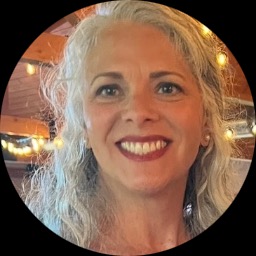
Therapist profile
Ashley French, LCPC, LPCC
Kentucky
Licensed counselor - relationships and trauma
Continue with AshleyWhere Ashley stands
- Credentials
- LCPC, LPCC
- License
- LPCC, Kentucky / 243315; LCPC, Illinois / 180015126
- NPI
- 1316219561
- Experience
- 20 years
- Languages
- English
- Location
- Kentucky
About
- Attachment-Based Therapy
- Client-Centered Therapy
- DBT skills
About Ashley
Ashley French is an LCPC and an LPCC with 20 years of clinical experience based in Kentucky. She focuses on common life stresses such as anxiety, depression, relationship struggles, grief, addiction concerns, and the strain of caregiving and career challenges. Ashley also attends to issues like attachment wounds, codependency, family of origin problems, and the fallout of trauma and abuse.
Her style centers on noticing what actually happens in a person’s life and talking through patterns that keep them disconnected from themselves. She listens to the story you bring and gives direct observations that make conditioned responses easier to see. That practical feedback is meant to help people recognize choices they have not been making consciously.
Ashley uses Attachment-Based approaches to look at how early relationships shape current reactions. She draws on Client-Centered ideas to follow the client’s lead and build on what they already know about themselves. Dialectical Behavior Therapy (DBT) skills may be introduced to help manage overwhelming emotions and improve day-to-day coping.
Sessions are aimed at helping people slow down long-standing responses like people-pleasing, over-responsibility, or shutting down around others. She talks about values and goals and how to reconnect actions to what matters most. Many clients work on setting limits, repairing communication, and reducing the emotional cost of caring for others.
Ashley accepts international clients and works in English. She encourages prospective clients to consider practical fit first and to use a short matching questionnaire and scheduling step to begin.
How sessions work
How therapeutic approaches are used in online sessions
Ashley often uses Attachment-Based Therapy to look at how early relationship patterns shape current emotional reactions. This approach helps people see why certain relationships trigger intense responses and supports learning different ways to connect and respond.She also uses Client-Centered Therapy, which means sessions follow what the person brings and build on the client’s own insight. That approach helps people clarify values and goals and make changes from their own sense of what matters. Dialectical Behavior Therapy, or DBT, can be added when someone needs concrete skills to manage strong emotions, reduce reactivity, and improve daily functioning.
Finding the right approach is part of the work. Ashley treats approach selection as a conversation. She will help figure out which methods fit your needs, goals, and preferences so sessions feel practical and relevant.
Confirm the therapist's current online session options before booking, since specific formats are not listed in the biography. Online sessions can make it easier to fit therapy into a busy life - for example shorter check-ins during a work break, not needing to travel, or choosing audio only when video would be difficult. Licensed professionals can adapt exercises, skill coaching, and reflective conversation to work over distance while keeping a focus on daily routines and what you want to change.
Areas of focus
Areas of expertise
Primary focus
Also works with
Additional focus areas
Therapeutic approaches
Experience
20+ years
Listed in
Kentucky, Illinois
Languages
English
Questions
Frequently asked questions
What concerns does she help with?
She works with stress, anxiety, depression, grief, addictions, relationship strain, trauma and related issues like codependency and attachment problems.
What is her therapeutic style?
She offers straightforward observations and conversation to help clients notice conditioned behaviors and make different choices. Practical skill work is included when useful.
How much experience does she have?
She has 20 years of experience working with people on challenges such as trauma, caregiving stress, addiction, and relationship difficulties.
What are her credentials and where is she based?
She holds LCPC and LPCC credentials and practices from Kentucky.
Which languages and international clients are supported?
Sessions are offered in English and she accepts international clients.
What session formats are offered?
Please confirm current session options before booking, as the therapist's biography does not list specific formats.
How does cost work?
Cost varies with location; sessions use a subscription that can be canceled at any time.
What do I do to get started?
Select the See online therapy options button, complete the short matching questionnaire, and schedule a first session.
Details come from information the therapist supplied to BetterHelp. A license can be checked with the state board.
Online talk therapy is not emergency care. If you are not safe at home, use the crisis and helpline numbers.