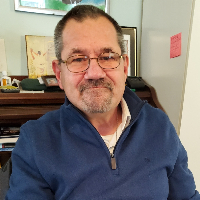
Therapist profile
Steven Paro, LCSW
New York
LCSW in New York - Stress and Addiction
Continue with StevenWhere Steven stands
- Credentials
- LCSW
- License
- LCSW, New York / 021454
- NPI
- 1376650259
- Experience
- 46 years
- Languages
- English
- Location
- New York
About
- Problem-focused work
- Client-centered methods
- CBT and DBT tools
About Steven
Steven Paro is a Licensed Clinical Social Worker (LCSW) based in New York with 46 years of experience. He works with adults facing stress, anxiety, depression, addiction, trauma and abuse, and a range of relationship and family concerns. He also lists codependency among his focus areas and supports people struggling with grief, self‑esteem, intimacy issues, and life changes.
Steven favors a straightforward, problem-focused way of working. Sessions aim to identify specific concerns and practical steps to address them. He uses client-centered techniques to draw out a person’s strengths and build on what is already working for them.
He also draws on cognitive behavioral methods to spot patterns of thought and behavior that keep problems going. Dialectical behavior ideas are used when people need concrete skills for managing intense feelings. Acceptance and Commitment Therapy helps some clients accept difficult feelings while moving toward values-based action.
Steven has long experience with trauma and with substance use issues, and more recently has worked with people on the autism spectrum and those who have severe intellectual disabilities. He also notes experience helping people who feel disconnected from their Christian values and spiritual life.
In practice he focuses on clear goals, skills training, and restoring a sense of control over daily life. To start, readers are invited to follow the site steps to complete the brief matching questionnaire and schedule a first session.
How sessions work
How Steven integrates proven approaches in online sessions
Acceptance and Commitment Therapy (ACT) helps people notice and accept difficult feelings while choosing actions that reflect their values. It can be useful for someone stuck in avoidance or unsure what matters most. Cognitive Behavioral Therapy (CBT) looks at the links between thoughts, feelings, and behaviors and teaches concrete ways to change unhelpful patterns. CBT often helps with anxiety, depression, and repetitive coping habits. Eye Movement Desensitization and Reprocessing (EMDR) is a trauma-focused method that works by processing distressing memories and reducing their emotional intensity; it is used with people who have trauma or abuse histories.Deciding which approach to use is a collaborative step. The therapist will talk with the client about current struggles, goals, and what methods feel most comfortable. Sessions can blend elements from different approaches so the plan fits the person’s needs and preferences.
The profile does not list specific session formats, so confirm available online options before booking. Online work can make it easier to fit therapy into a busy week, reduce travel time, and allow shorter check-ins when that is helpful. Licensed professionals can adapt exercises, skills training, and trauma processing for remote sessions so practical work continues alongside conversation.
Areas of focus
Areas of expertise
Also works with
Additional focus areas
Therapeutic approaches
Experience
46+ years
Listed in
New York
Languages
English
Questions
Frequently asked questions
What concerns does he address?
He works with stress, anxiety, depression, addictions, trauma and related problems such as grief, self-esteem and relationship issues, including codependency.
How would he approach people-pleasing or boundary problems?
He uses client-centered conversations and practical skills from CBT and DBT to identify patterns and teach strategies for setting limits and asserting needs.
How much clinical experience does he have?
He has 46 years of clinical experience working with depression, anxiety, trauma, substance use, and other long-term concerns.
What are his credentials and where is he located?
He is a Licensed Clinical Social Worker (LCSW) licensed in New York and practices from New York.
Does he offer services in other languages or to international clients?
Sessions are offered in English and he does not accept international clients.
What session formats are available?
Confirm current session options before booking; the profile does not list specific formats so check the booking flow for the up-to-date options.
How does payment or cost work?
Cost varies with location and sessions use a subscription model that can be canceled at any time.
How do I begin working with him?
Start by selecting the See online therapy options button, complete the short matching questionnaire, and schedule a first session.
Details come from information the therapist supplied to BetterHelp. A license can be checked with the state board.
Online talk therapy is not emergency care. If you are not safe at home, use the crisis and helpline numbers.