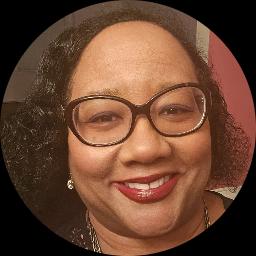
Therapist profile
Caroline Murray, LCMHC
North Carolina
LCMHC in North Carolina - Stress and Relationships
Continue with CarolineWhere Caroline stands
- Credentials
- LCMHC
- License
- LCMHC, North Carolina / 6609
- NPI
- 1164629457
- Experience
- 20 years
- Languages
- English
- Location
- North Carolina
About
- ACT and CBT approaches
- Mindfulness practices
- Codependency focus
About Caroline
Caroline Murray is a Licensed Clinical Mental Health Counselor (LCMHC) in North Carolina with 20 years of clinical experience. She works with adults who are dealing with stress, anxiety, anger, low self-esteem, career pressures, relationship concerns, and major life changes.
She uses straightforward, person-focused therapy that helps people notice what matters and take small, practical steps. Sessions often look at how thinking patterns and daily habits keep problems going. Techniques from Acceptance and Commitment Therapy and Cognitive Behavioral Therapy are mixed with mindfulness practices to help people handle strong emotions and reduce avoidance.
Caroline also draws on Client-Centered and Dialectical Behavior Therapy ideas to improve communication and distress tolerance. In practice this can mean learning clearer ways to say no, setting boundaries, or building steady routines when life feels chaotic. She pays attention to how caregiving demands, chronic health problems, or major losses affect the way people cope.
Her work includes helping people who are affected by codependent patterns, addiction in a loved one, divorce or separation, and the guilt and shame that follow difficult choices. Sessions are practical and goal-oriented, with time spent on skills people can use between meetings.
People who choose Caroline can expect ordinary language, direct feedback, and a focus on what to do next rather than long lectures. To begin, she asks clients to name one or two concrete problems they want to change and then builds from there.
How sessions work
How therapeutic methods translate to online work
Acceptance and Commitment Therapy (ACT) helps people notice thoughts and choose actions that reflect their values. It is useful for stuck patterns like people-pleasing and avoidance. Cognitive Behavioral Therapy (CBT) breaks down unhelpful thinking and behavior into concrete steps so people can test new ways of acting. It often helps with anxiety, mood, and short-term problem solving. Mindfulness therapy trains attention to reduce reactivity and increase awareness of habits that keep someone feeling overwhelmed.Choosing the right approach is part of the work. Caroline will collaborate with clients to decide what fits best based on current problems, goals, and daily life. That means trying an approach, reviewing how it feels, and adjusting the plan together as needed.
Session formats are not specified in the biography, so confirm current options before booking. Online sessions can make it easier to fit therapy into a busy schedule, shorten check-ins when needed, and allow work without travel time. They also let people practice skills in the settings where their problems happen and bring real-life examples into the session. Licensed professionals can suggest pacing and homework that suit each person's routine.
Areas of focus
Areas of expertise
Primary focus
Also works with
Additional focus areas
Therapeutic approaches
Experience
20+ years
Listed in
North Carolina
Languages
English
Questions
Frequently asked questions
What concerns does she address?
She helps with stress, anxiety, anger, self-esteem, career pressures, relationship problems, and coping with life changes. Additional areas include caregiver stress, chronic illness, addiction in a loved one, codependency, and grief or shame-related issues.
What is her therapeutic style like?
Her style blends Acceptance and Commitment Therapy, CBT, DBT ideas, Client-Centered work, and mindfulness. The focus is on practical skills, clearer communication, and behavioral changes rather than lengthy theory.
How much experience does she have?
She has 20 years of clinical experience working with adults on mood, anxiety, relationship and life-transition concerns. That experience shapes an approach that emphasizes skill-building and real-world coping.
What are her credentials and where does she practice?
She is a Licensed Clinical Mental Health Counselor (LCMHC) licensed in North Carolina. Her practice is based in North Carolina.
What languages are supported?
Sessions are offered in English.
Does she work with international clients?
She is not currently accepting international clients.
How does billing and cost work?
Cost varies by location and the practice uses a subscription model that can be canceled at any time. Specific rates depend on the clients location.
How do I get started?
Begin by selecting the See online therapy options button, completing a short matching questionnaire, and scheduling a first session. That process connects you to initial paperwork and an appointment time.
Details come from information the therapist supplied to BetterHelp. A license can be checked with the state board.
Online talk therapy is not emergency care. If you are not safe at home, use the crisis and helpline numbers.