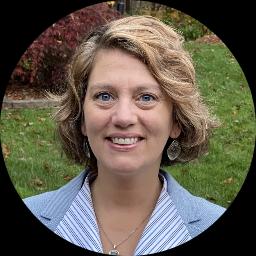
Therapist profile
Angela Quinlivan Cowell, LCSW
North Carolina
LCSW - Relationships and Stress
Continue with AngelaWhere Angela stands
- Credentials
- LCSW
- License
- LCSW, North Carolina / C004050
- NPI
- 1750554770
- Experience
- 24 years
- Languages
- English
- Location
- North Carolina
About
- CBT techniques
- DBT skills
- EMDR for trauma
About Angela
Angela Quinlivan Cowell is a Licensed Clinical Social Worker (LCSW) in North Carolina with 24 years of clinical experience. She helps people manage stress and anxiety, cope with grief or life changes, and work on relationship concerns and self‑esteem. She also addresses caregiver strain, compassion fatigue, codependency, and issues related to adoption and family of origin.
Angela uses direct, person-focused methods so people can set clear goals for therapy. She draws on client-centered work to listen and respond to what matters most. She also uses Cognitive Behavioral Therapy to spot unhelpful thinking patterns and Dialectical Behavior Therapy skills for managing intense emotions.
When trauma is part of the picture she incorporates EMDR and emotionally-focused interventions to process painful memories and strengthen emotional understanding. Sessions are practical and action-oriented. She helps people try new ways of coping between meetings.
People can expect straightforward conversation about what is and isn’t working in relationships and daily life. Angela offers concrete tools for boundary setting, coping with uncertainty, and improving communication. She also supports people dealing with career strain, parenting stress, or challenges tied to aging and caregiving.
Her approach balances listening with clear next steps. The work is collaborative: goals are set together and progress is checked over time. Prospective clients should confirm current session options before booking and follow the site steps to match and schedule a first appointment.
How sessions work
How her approaches translate to online work
Client-Centered Therapy focuses on listening and reflecting back what matters to the person. Online sessions can keep that same conversational feel while concentrating on the client’s priorities. Cognitive Behavioral Therapy (CBT) breaks problems into thoughts, feelings, and actions and teaches practical skills to change unhelpful patterns. In online meetings CBT homework and worksheets can be reviewed together to track small changes. Dialectical Behavior Therapy (DBT) offers emotion regulation and distress‑tolerance skills for intense moments and relationship strain. These skills transfer well to remote sessions and can be practiced between appointments.Choosing the right mix of these approaches is part of the early work. The therapist and client collaborate to identify goals, try methods that fit the person’s needs, and adjust the plan over time. That means trying a skill, checking whether it helped, and picking a different tool if needed.
Confirm the session formats available before booking because the biography does not list specific options. Online work can make it easier to fit therapy into a busy week, shorten travel time, and allow for sessions during breaks in the day. It also allows focused check‑ins and practical homework reviews without requiring in‑person visits. Ask about which session formats are currently offered when you schedule.
Areas of focus
Areas of expertise
Primary focus
Also works with
Additional focus areas
Therapeutic approaches
Experience
24+ years
Listed in
North Carolina
Languages
English
Questions
Frequently asked questions
What kinds of concerns does she address?
She works with stress, anxiety, relationship strain, grief, self‑esteem issues, codependency, and caregiving challenges among other topics.
How would you describe her therapeutic style?
She uses a person-centered approach with practical tools from CBT and DBT to set goals and practice new skills between sessions.
How much clinical experience does she have?
She has 24 years of clinical experience as a Licensed Clinical Social Worker.
What is her credential and location?
She is an NC LCSW based in North Carolina.
Does she work in other languages or with international clients?
Sessions are offered in English and she is not accepting international clients.
What session formats are available?
Confirm the current session options before booking as the biography does not list specific formats.
How are sessions paid for and what does it cost?
Cost varies by location and sessions use a subscription model that can be canceled at any time.
How do I begin working with her?
Select the See online therapy options button, complete the short matching questionnaire, and schedule a first session.
Details come from information the therapist supplied to BetterHelp. A license can be checked with the state board.
Online talk therapy is not emergency care. If you are not safe at home, use the crisis and helpline numbers.