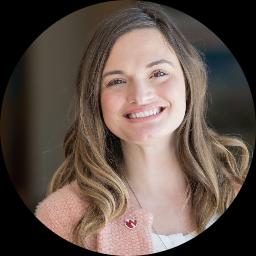
Therapist profile
Amanda Cramer, LCSW, LIMHP
Nebraska
Licensed clinical social worker - Stress and ADHD
Continue with AmandaWhere Amanda stands
- Credentials
- LCSW, LIMHP
- License
- LIMHP, Nebraska / 3282; LCSW, Utah / 14200036-3501
- NPI
- 1952911737
- Experience
- 7 years
- Languages
- English
- Location
- Nebraska
About
- CBT methods
- Attachment focus
- Mindfulness skills
About Amanda
Amanda Cramer is a Licensed Clinical Social Worker (LCSW) and a Licensed Independent Mental Health Practitioner (LIMHP) with seven years of professional experience. She practices in Nebraska and works with adults on concerns such as stress, anxiety, parenting challenges, depression, ADHD, and coaching for work or life goals. Amanda lists codependency and attachment issues among her focus areas and helps people who find themselves putting others first or struggling to set boundaries.
Amanda uses practical talk and straightforward tools in sessions. She draws on cognitive behavioral techniques to notice and shift unhelpful thinking. She also integrates attachment-based ideas to look at how early relationships shape current patterns. Mindfulness and skills from dialectical behavior therapy are used to manage strong emotions and improve day-to-day functioning.
Sessions tend to be goal-oriented and collaborative. Clients work on concrete steps they can try between meetings, like small boundary experiments or attention strategies for focus and memory. Amanda also brings in coaching elements for career or executive concerns when that fits a client's goals.
She has experience supporting people facing caregiver stress, chronic illness, body image issues, and family of origin problems. Amanda also lists work with first responder issues, fertility-related concerns, grief, guilt, and isolation.
People who prefer direct, practical conversations are likely to find her approach helpful. To start, she asks about immediate concerns and priorities, then builds a plan that combines skill-building with reflective work about relationship patterns.
How sessions work
How Amanda applies therapy methods online
Amanda commonly uses cognitive behavioral therapy and attachment-based therapy together. CBT helps people spot thought patterns that increase anxiety or self-sacrifice and gives simple strategies to test different thoughts and behaviors. Attachment-based therapy looks at how early relationship experiences influence current choices and helps people notice repeating patterns in close relationships.She also uses mindfulness and DBT skills to handle overwhelming emotions and improve everyday coping. Mindfulness practices teach basic awareness of thoughts and bodily reactions. Dialectical behavior therapy supplies short, practical emotion regulation and distress-tolerance tools that can be practiced between sessions.
Finding the right mix of approaches is part of the work. Amanda collaborates with each person to choose methods that match their needs, goals, and preferences. She sets clear, achievable steps and checks in on what helps and what needs to change.
The biography does not list specific session formats, so confirm the current online options before booking. Many people find that remote sessions make it easier to fit therapy into busy schedules, allow shorter check-ins when needed, and remove travel time. Discuss any practical constraints up front so sessions can be planned to fit day-to-day life.
Areas of focus
Areas of expertise
Primary focus
Additional focus areas
Therapeutic approaches
Experience
7+ years
Listed in
Nebraska, Utah
Languages
English
Questions
Frequently asked questions
Can she help with people-pleasing and codependency?
Yes. She lists codependency and attachment issues among her focus areas and helps people practice clearer boundaries and self-direction.
What is her basic approach in sessions?
She blends cognitive behavioral techniques with attachment-based ideas, plus mindfulness and DBT skills to manage emotions and behaviors.
How much experience does she have?
She has seven years of professional work experience supporting adults with stress, anxiety, parenting, depression, ADHD, and related concerns.
What are her credentials and where is she licensed?
She holds the LCSW and LIMHP credentials and is licensed in Utah as an LCSW and in Nebraska as a LIMHP.
Does she work in other languages or accept international clients?
Sessions are offered in English. International clients are not currently accepted.
Which session formats does she offer?
Please confirm current session options before booking, as the biography does not list specific formats.
How are sessions billed and what does it cost?
Costs vary with location and sessions use a subscription that can be canceled at any time.
What is the first step to begin working together?
Select the See online therapy options button, complete the short matching questionnaire, and schedule a first session.
Details come from information the therapist supplied to BetterHelp. A license can be checked with the state board.
Online talk therapy is not emergency care. If you are not safe at home, use the crisis and helpline numbers.